
HOW WE BUILD
Environmental Stewardship & Land Planning
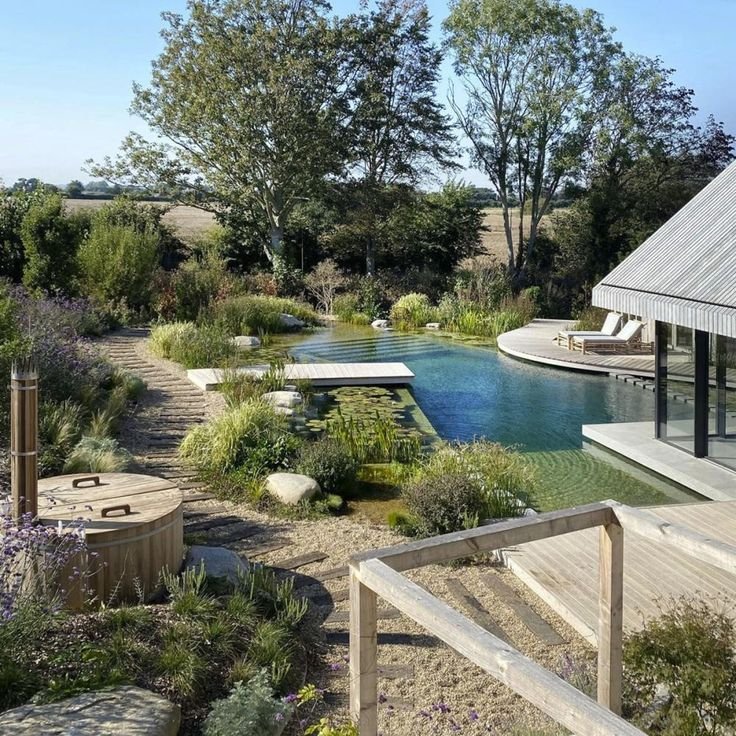
Westwoods is planned and developed in direct response to the land it occupies. From the outset, agricultural capability, soil health, water systems, and ecological conditions guide all decisions about siting, scale, and use.
The project is informed by early-stage land and environmental assessments and shaped through collaboration with agricultural specialists, land planners, and technical consultants as required. Planning focuses on long-term agricultural productivity, environmental resilience, and responsible land stewardship.
Key principles include:
agriculture-first land use with minimal and carefully phased development
protection and improvement of soil health and growing capacity
water stewardship through efficient irrigation, drainage, and runoff management
use of durable, low-impact materials appropriate to a farm setting
integration of native and adaptive plant species where appropriate
wildfire resilience and ongoing land-health monitoring
long-term preservation of biodiversity and productive farmland
Westwoods is designed to operate over decades, ensuring the land remains healthy, productive, and capable of supporting both farming and community use without compromise.
Community Integration & Local Impact
Westwoods is intended to function as part of the local agricultural and regional economy, not separate from it. The project is designed to support local employment, strengthen food systems, and contribute positively to the surrounding community over the long term.
Key elements of the approach include:
local hiring and skills development across farming, hospitality, and operations
collaboration with neighbouring farms, producers, and small businesses
sourcing from local suppliers and trades wherever practical
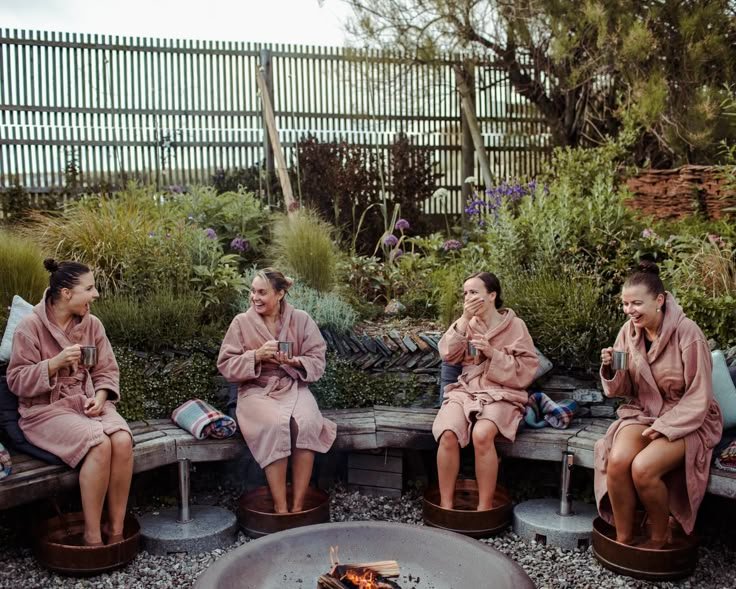
shared spaces and programs that are accessible to the community, such as classes, markets, dining, and educational events
contribution to regional tourism activity and year-round employment opportunities
Community benefit is embedded into the operating model through agriculture, education, and local partnerships, ensuring the project supports both the land and the people connected to it.

Phased, Land-Responsive Development
Westwoods follows a phased development approach that responds to the land, agricultural priorities, regulatory context, and available capital. Growth is paced and intentional, allowing the project to establish farming operations and core infrastructure before introducing additional complementary uses.
This approach allows the project to:
secure land with a long-term stewardship mindset
prioritize agricultural use and essential servicing first
introduce revenue-generating components in logical stages
reinvest operating cash flow into subsequent phases
retain long-term ownership and operational oversight
By advancing in phases, Westwoods balances financial discipline with thoughtful planning, ensuring the integrity of the land, the farm, and the overall vision is maintained over time.

Transparent Documentation & Ongoing Communication
The development and operation of Westwoods is documented openly and thoughtfully as the project progresses. This documentation is intended to share learning, provide clarity, and create accountability — not to market an idealized version of the work.
This includes:
written updates outlining planning decisions, progress, and lessons learned
visual documentation of land development, farming operations, and build phases
behind-the-scenes explanations of design, agricultural, and operational choices
updates on environmental and land-health outcomes over time
clear communication around challenges, trade-offs, and adjustments as they arise
By documenting the process as it unfolds, Westwoods builds trust with investors, partners, and the broader community, while contributing to a more transparent and informed conversation around land-based development and agriculture.
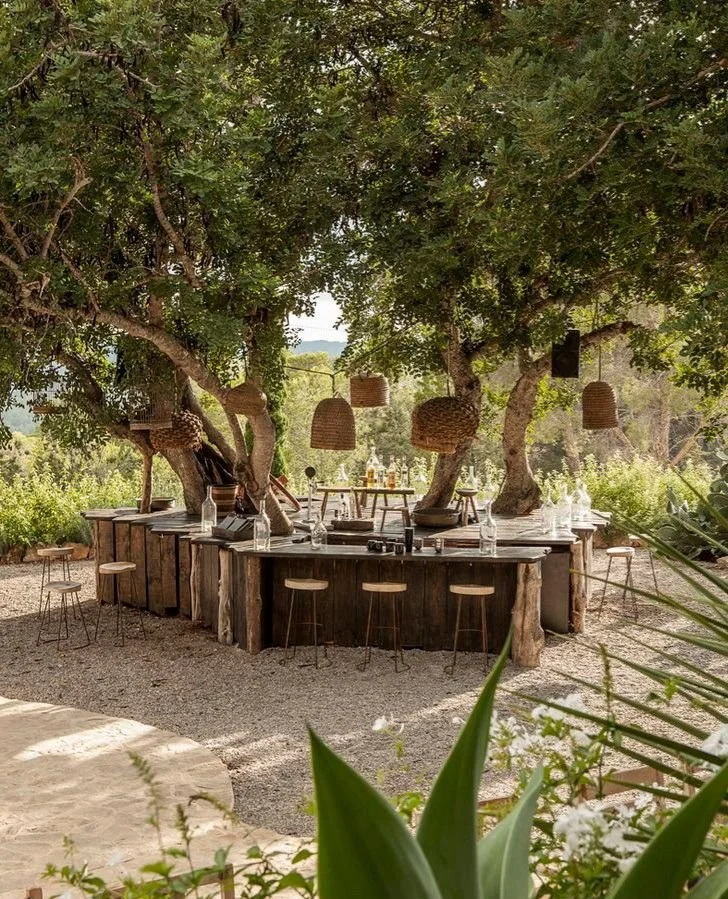
This is how we create land-based projects where agriculture remains primary, supported by thoughtful design, education, and complementary uses that sustain the land over time.
Our development approach is grounded in agricultural stewardship, thoughtful land use, and long-term viability. Each project follows a clear, adaptable framework that prioritizes farming as the primary use of the land, supported by modest buildings, education, and complementary wellness experiences designed to sustain both the farm and the community over time.
Purpose-Led Design
This project begins with a clear understanding of the land and its intended use. Design decisions are guided by how the space will support agriculture first, while creating environments that encourage learning, restoration, and meaningful connection to place.
The design approach is informed by a women-led perspective — shaped by lived experience and an understanding of how people move through, use, and feel within shared spaces. This perspective influences practical elements such as layout, circulation, sightlines, lighting, material choices, acoustics, and the relationship between indoor spaces and the surrounding landscape.
This does not mean spaces are exclusive. Rather, they are designed with care, clarity, and intention — resulting in environments that feel grounded, safe, and welcoming for a wide range of guests while remaining appropriate to their agricultural setting.
Agritourism & Place-Based Experiences
At Westwoods, agritourism is approached as an extension of farming and land stewardship rather than a separate theme. Experiences are designed to support agricultural use, education, and a deeper understanding of the land and region.
This includes:
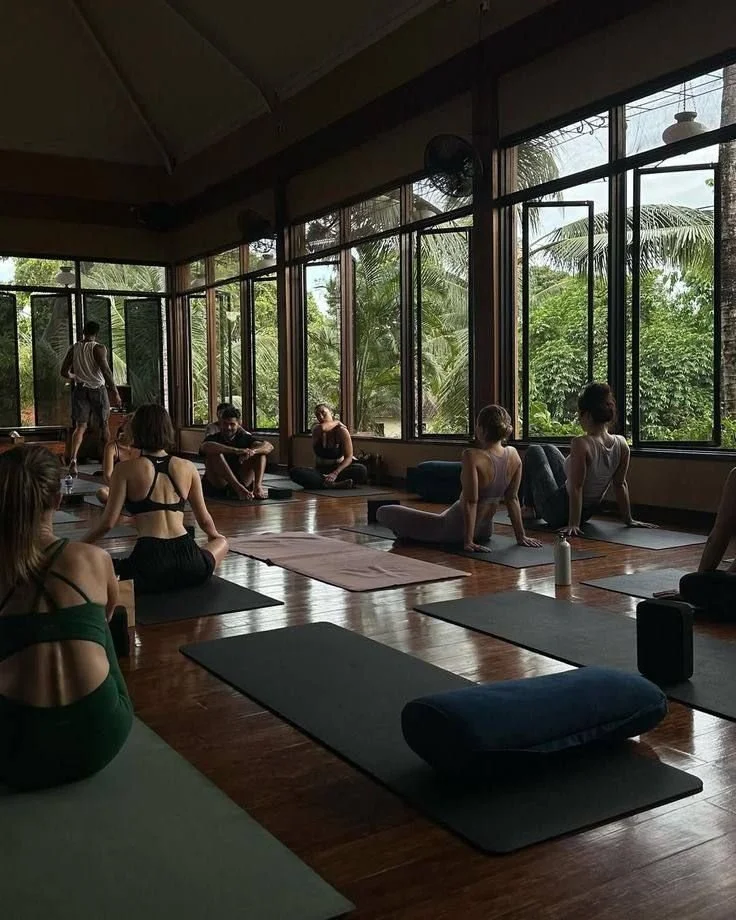
farm-based retreats and educational programming connected to seasonal agricultural activity
learning opportunities focused on local ecosystems, soils, and food systems
collaboration with neighbouring farms, producers, and local operators
trails and outdoor experiences that respect agricultural operations and sensitive areas
landscape planning that preserves natural features and working farmland rather than replacing them
Each experience is intended to connect guests to the broader region — its land, food, and community — rather than isolating them within a standalone destination.
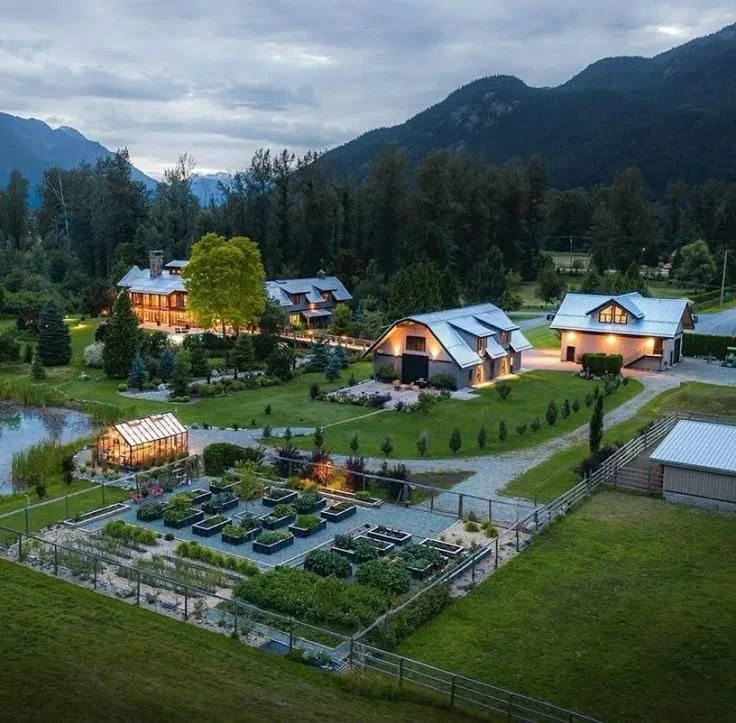
Inclusive, Human-Centred Design
Westwoods is designed to be welcoming, intuitive, and comfortable for a wide range of guests. Design decisions prioritize safety, clarity, and ease of use — particularly in shared, rural, and farm-based environments where wayfinding, lighting, and circulation matter.
A women-led perspective informs many of these choices, drawing on lived experience to anticipate how people move through spaces, how they feel at different times of day, and what supports rest, comfort, and a sense of safety.
This approach influences:
clear circulation and sightlines across the site
lighting and visibility along paths and shared areas
accommodation layouts designed for rest and privacy
shared spaces that balance openness with appropriate boundaries
sensory considerations that support sleep and recovery
Designing with care and attention to these details results in spaces that feel grounded, intuitive, and accessible — improving the experience for all guests while remaining appropriate to a working agricultural setting.
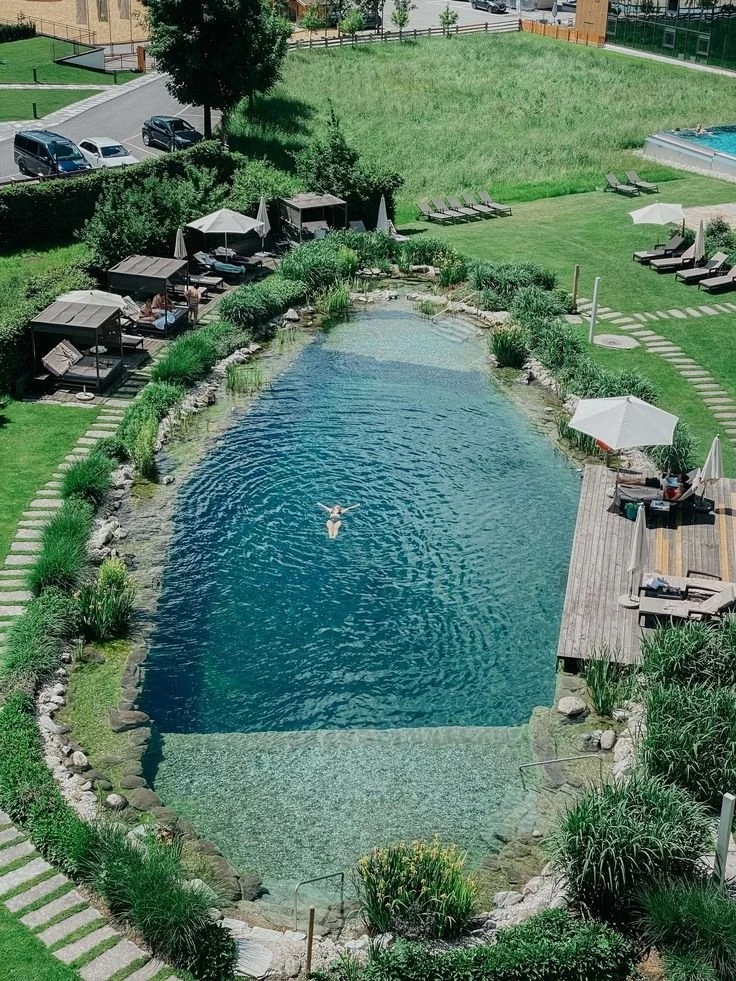
Cross-Disciplinary Expertise
Westwoods is supported by a cross-disciplinary group of advisors, consultants, and operators engaged as appropriate at each stage of development. This ensures decisions are informed by agricultural realities, land-use considerations, and long-term operational requirements.
Expertise spans:
agricultural planning and farm operations
soil science, water systems, and environmental assessment
landscape and site planning appropriate to rural land
forestry and land management where applicable
public health and wellness programming
hospitality and food operations
project management and construction coordination
finance, compliance, and on-site operations
communications, education, and community engagement
This integrated approach allows the project to be evaluated, planned, and operated holistically — ensuring the land, farm, and supporting uses function together rather than in isolation.
Long-Term Stewardship & Ongoing Management
Development at Westwoods is approached as the start of a long-term stewardship commitment. The focus is on maintaining the health of the land, the farm, and supporting operations over time, rather than short-term optimization.
Ongoing management includes:
regular monitoring of soil health, water systems, and growing conditions
evaluation of farm operations and land-use impacts over time
adjustment of programming and activities in response to seasonal cycles, operational capacity, and community needs
long-term maintenance planning for agricultural infrastructure and buildings
Westwoods is intended to improve with time — remaining productive, resilient, and aligned with its agricultural purpose for decades to come.