
MARKETING & MEDIA ADVANTAGE
Westwoods is supported by a built-in marketing ecosystem that most projects at this stage simply don't have — and can't buy.
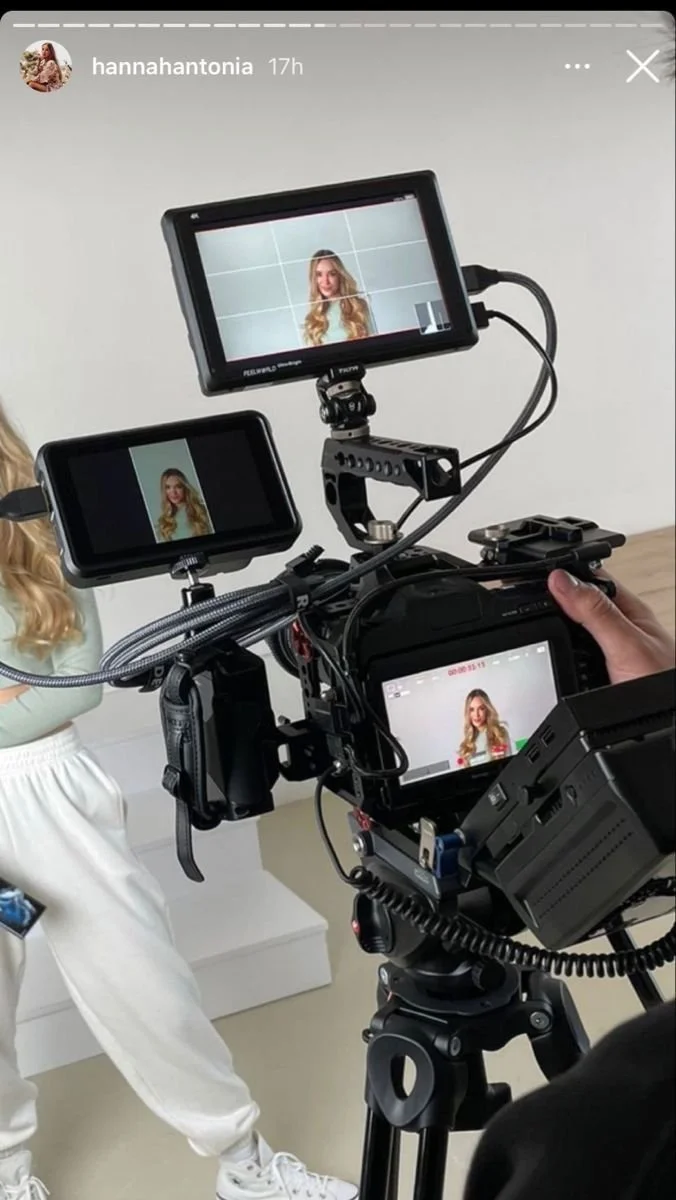
A documented build series. The entire creation of Westwoods will be filmed and published as a weekly YouTube series — from land acquisition through construction, first harvest, first guests, and beyond. No one is currently doing this for a regenerative farm and wellness build in Canada. The format follows the proven model of creators like Jenna Phipps and Van Wives, whose weekly DIY build and renovation content has generated millions of followers, brand partnerships, and direct revenue — entirely independently, with no network or distributor required. A show runner is already on board.
Why this matters for investors. The series builds a warm, invested audience before a single cabin is booked. Viewers follow the journey, fall in love with the land, and become the first guests. This is not speculative — it is the exact conversion model that has worked repeatedly in the build and homestead content category.
Owned media, zero cost. The content costs are absorbed into operations. The founder is the creator. The farm is the set. Every phase of development becomes content that drives awareness, bookings, workshop signups, and event inquiries — at no additional cost to the project or investors.
Layne O'Donnell's established digital presence spans Instagram, TikTok, Pinterest (~600,000 monthly viewers), and YouTube — with an audience actively engaged in wellness, hospitality, and rural living. Deep community ties within Squamish and the Sea-to-Sky corridor provide local distribution from day one.
This combination of organic content momentum, an established local reputation through Plunge Wellness, and a weekly build series creates a marketing advantage rarely seen at this stage of development.
THE BUSINESS MODEL
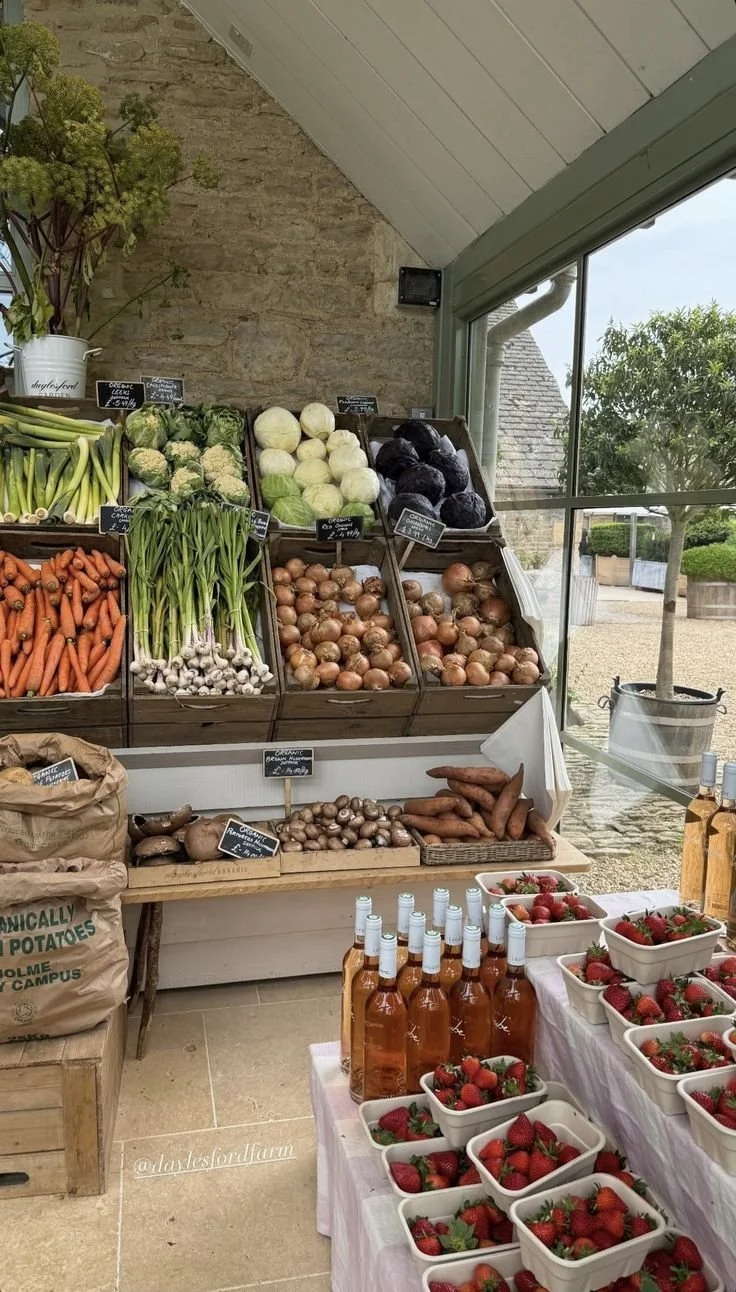
Westwoods operates a farm-first, multi-revenue model designed for long-term stability and scale across five streams:
Farm workshops, educational programming, and corporate bookings
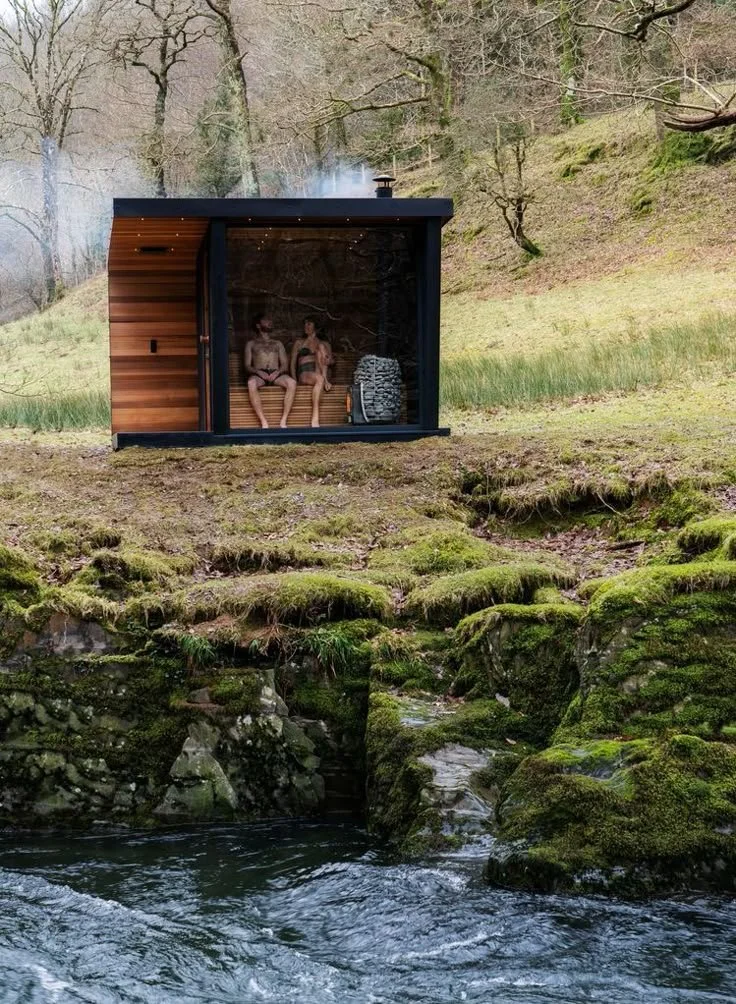
Outdoor thermal wellness spa — self-serve, day access, 365 days per year
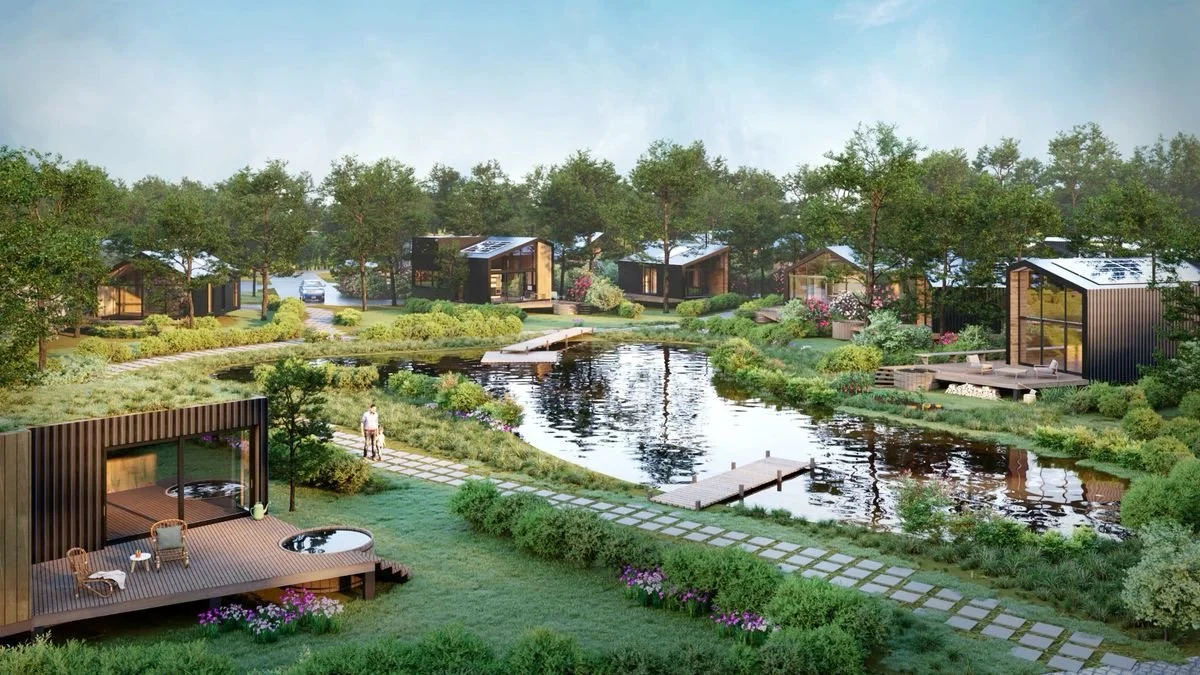
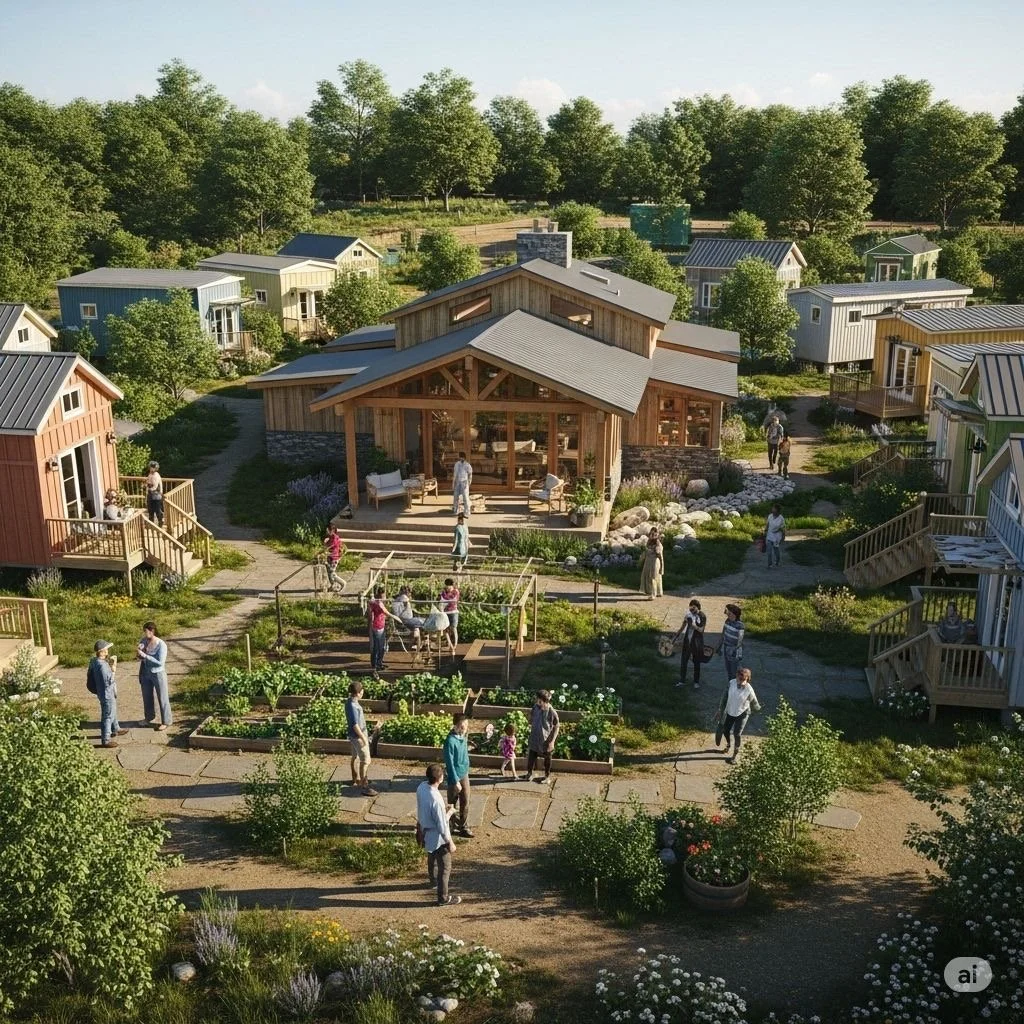
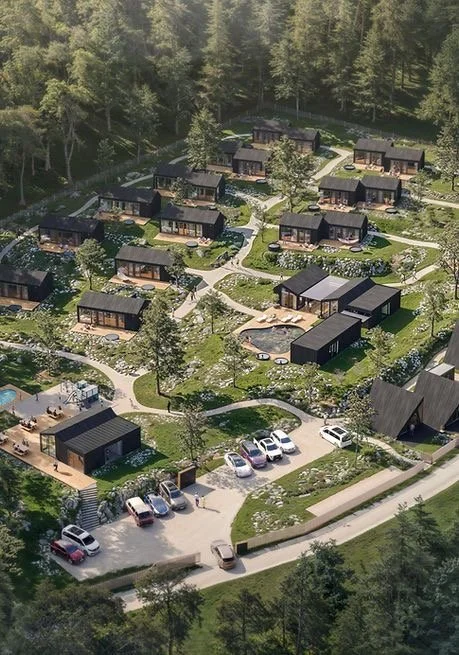
Overnight farm stays — 10 tiny homes, premium farm-stay experience
Lavender farm — direct sales, value-added products, agritourism
Farm events — weddings, corporate retreats, and private gatherings
Every revenue stream is designed to be ALR-compliant, operationally lean, and scalable without requiring major additional capital beyond the current raise.
Market Opportunity
Westwoods sits at the convergence of four high-growth sectors:
Farm & Agritourism: One of the fastest-growing segments of rural hospitality, with the global agritourism market estimated at ~USD $7.9B and projected to grow ~11% annually, driven by demand for farm stays, food education, and nature-based experiences.
Wellness Tourism: Estimated at USD $651B, growing at nearly 2x the rate of general tourism. The broader wellness economy is valued at $1.2T, growing 8–10% annually.
Spa & Retreat Industry: A $436B global market directly aligned with Westwoods' core wellness operations.
Female-Led Design & Ownership: Women drive 70–80% of wellness purchasing and book most spa and retreat travel — yet own less than 2% of hospitality real estate assets, creating clear white space for female-led ownership in this space.
The Opportunity: A scalable, regenerative, female-led hospitality platform positioned within multiple overlapping, demand-driven growth markets.
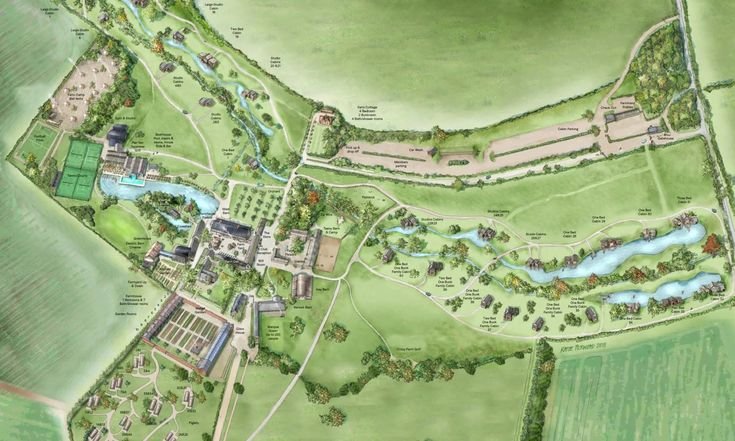
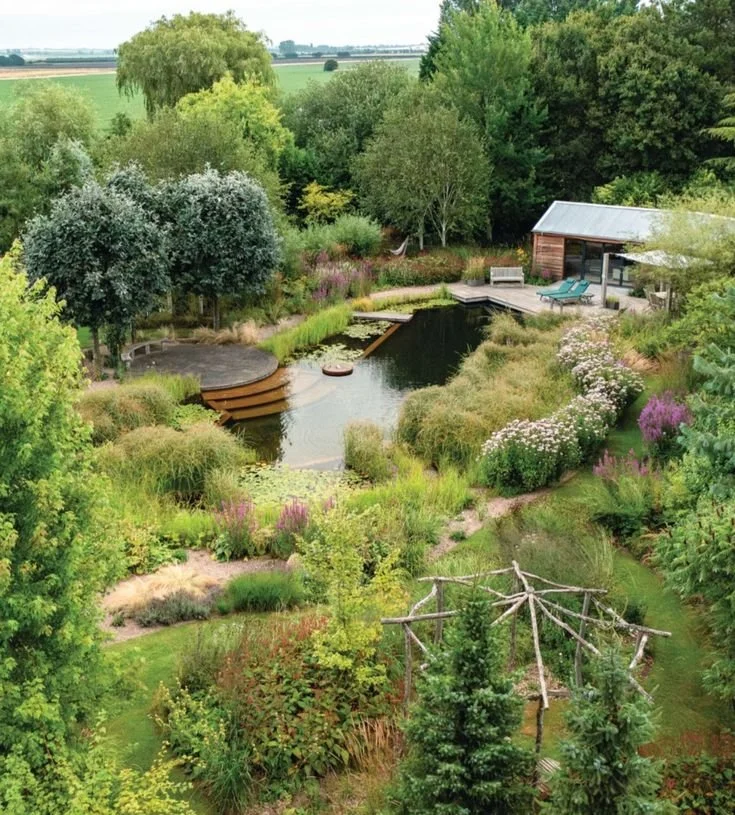
Our inspiration: Soho Farmhouse
The Team
Layne O’Donnell – Founder & CEO
Founder of Plunge Wellness, the pilot project for Westwoods. Plunge Wellness is a profitable wellness studio in Squamish, B.C., built from $135K with zero employees, zero marketing spend, and two years of consistent profitability. Layne created the FoundHer development model and operates the proof-of-concept thermal spa that validates the demand for women-led wellness destinations in the Sea To Sky area.
The agricultural strategy has been developed through consultation with agricultural professionals and practitioners, with a phased plan to build a dedicated on-site agriculture team aligned with crop production and land activation.
Development planning has been informed through consultation with experienced professionals across sustainable real estate development, community-centered project design, innovation leadership, and agricultural land development, contributing strategic insight into land activation, phasing, and long-term value creation.
Legal counsel has been engaged to support land acquisition, corporate structuring, financing, and regulatory considerations, ensuring the project proceeds with appropriate governance and risk management.
Hospitality & Development Advisors


Actively searching for
Development Advisor – Hospitality & Property Development
Actively searching for
– Hospitality & Media Advisor
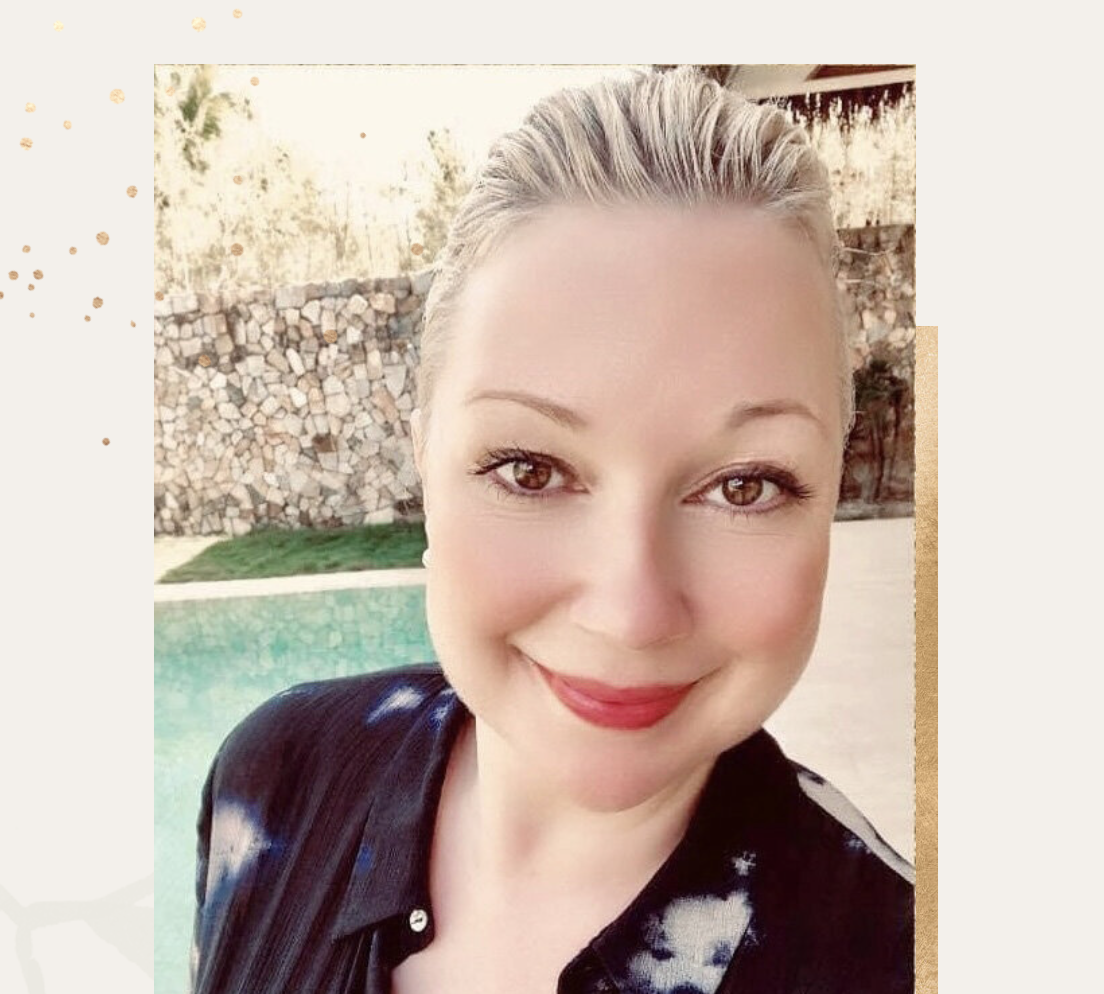
Jennifer Sims
– Hospitality & Wellness Advisor
Hospitality and wellness leader with over 30 years of global experience across luxury hotels, resorts, and spa destinations. Jennifer brings deep expertise in guest experience design, spa and wellness operations, and concept-to-opening strategy, with teams she has led earning more than 30 Forbes Five-Star awards. At Westwoods, she provides advisory guidance on experience design, programming, training, and the creation of meaningful, place-rooted wellness experiences.
Core Development & Operations
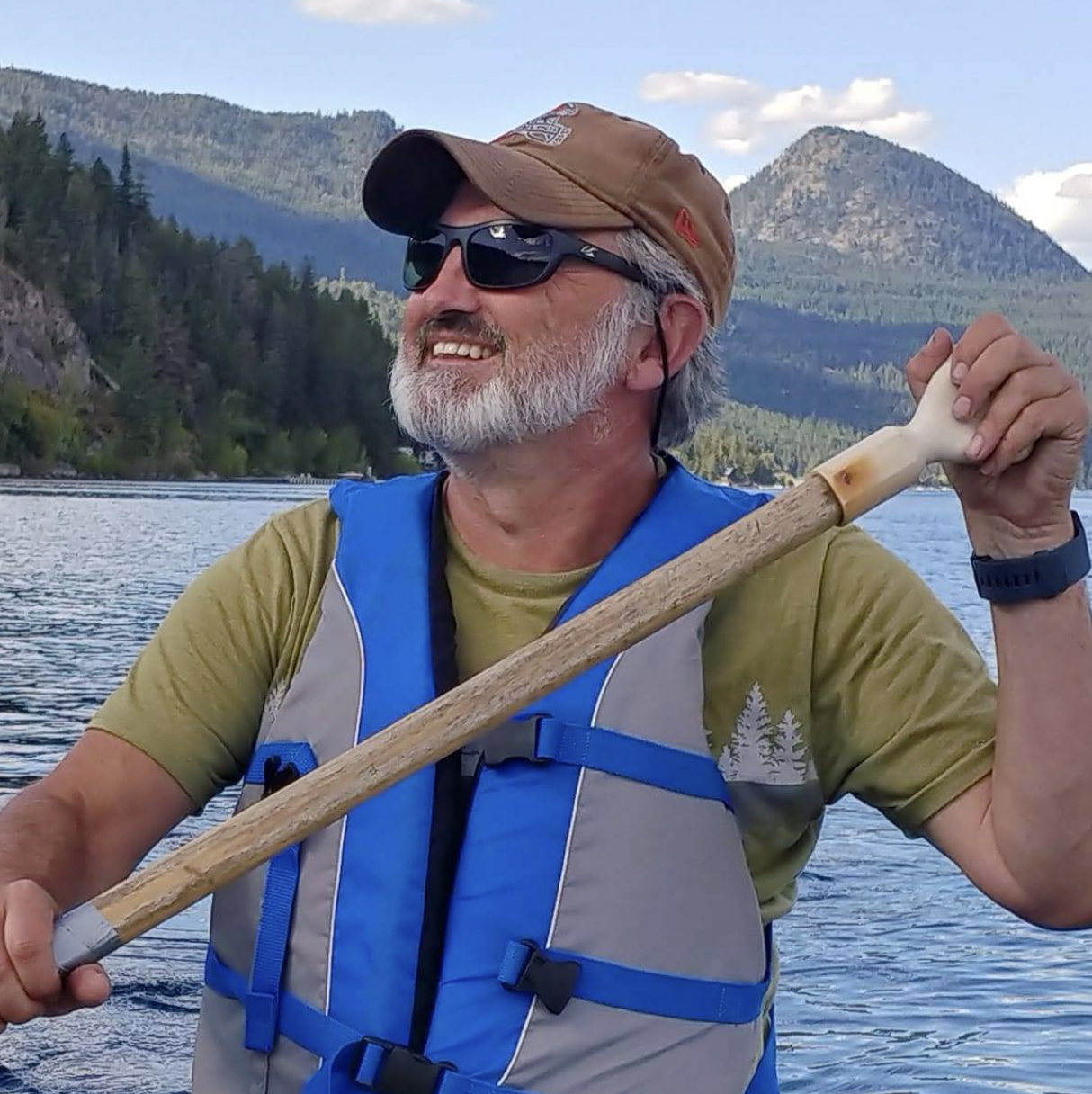


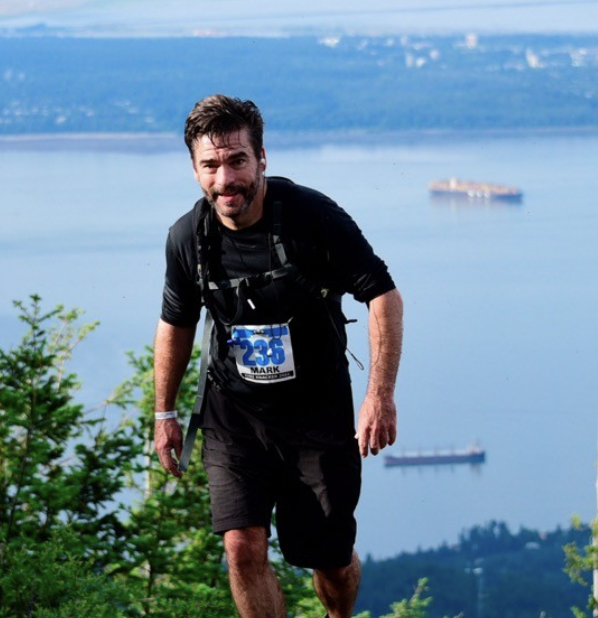
Mark Vaughan
– Director of Landscape Architecture & Environmental Design
Responsible for site planning, land activation, regenerative landscape design, and the integration of natural systems.
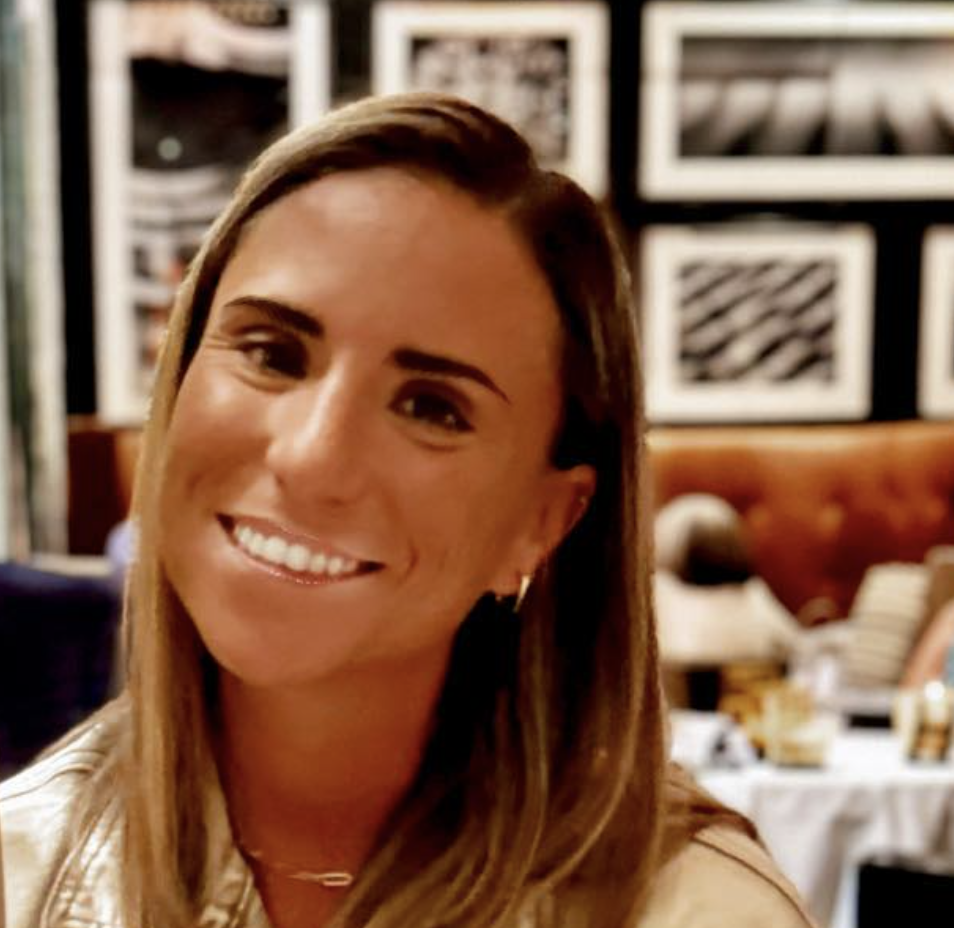
Julia Lawrence, M.Ed., B.Ed.
– Director of Sustainability & Environmental Education
Sustainability expert advising on strategy, aligning operations with environmental outcomes, and guiding environmental education programming.
Jessie Bowser
– Environmental &
Wildlife Advisory Lead
Wildlife biologist providing advisory support on environmental stewardship, wildlife considerations, and conservation-aligned land use at Westwoods. Brings experience in habitat assessment, environmental monitoring, and collaboration with government, Indigenous, and community partners to support responsible land activation and long-term ecological integrity.
Peter O’Donnell
– Capital Projects Advisor
Supports WestWoods with senior-level oversight of project managers, schedule integration, and delivery strategy, leveraging extensive experience from major BC redevelopment projects.
Experience & Programming
Simi Badyal
— Director of Public Health & Women’s Health
Women-centered design insights, safety considerations, wellness programming integrity.
Kerry Conway
— Travel Experience & Partnerships Coordinator
Guest experience design, partnerships, logistics, and retreat coordination.
Community
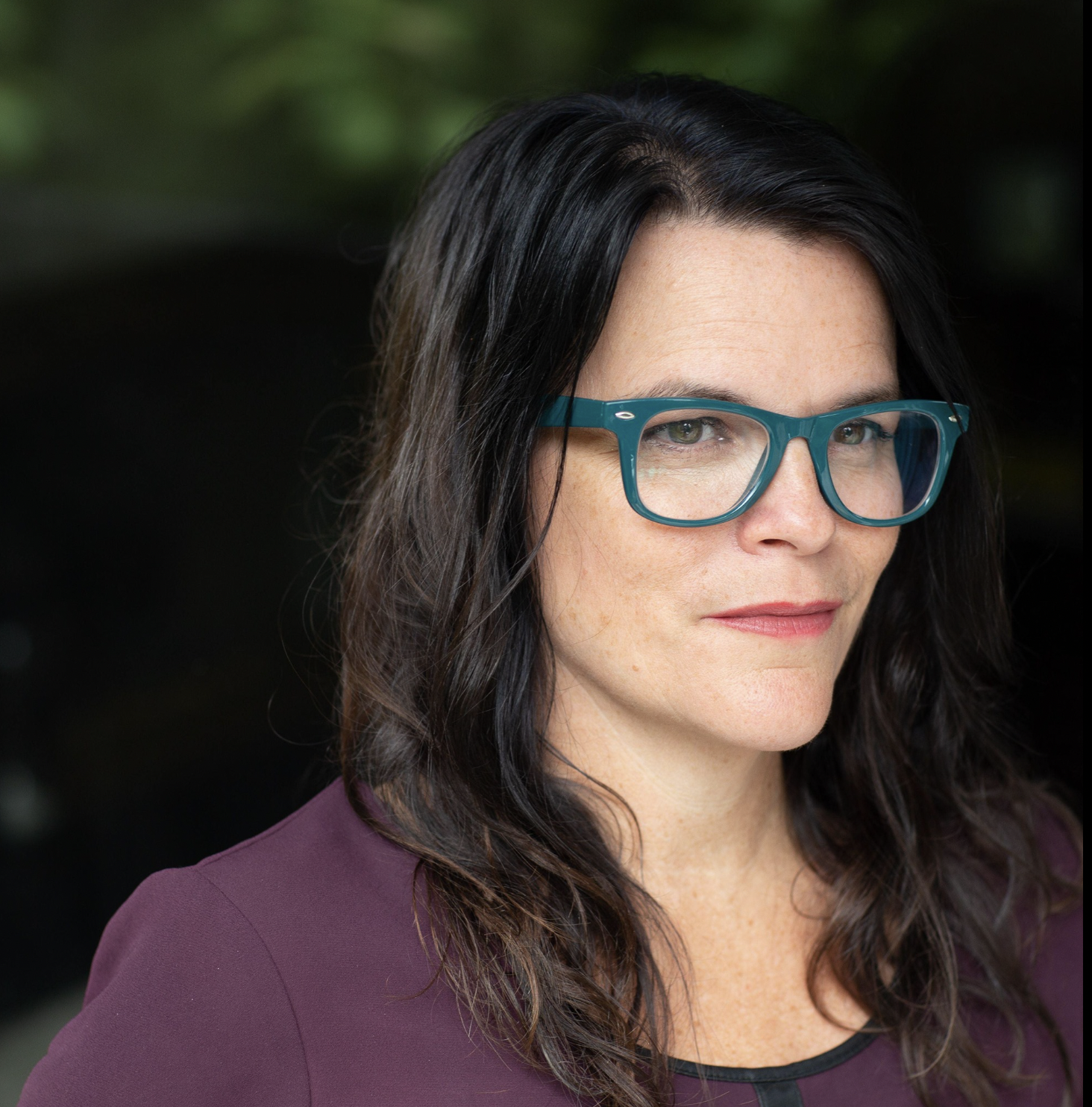
Jacquie McCarnan — Director of Philanthropy & Community Initiatives & Investor Relations
Community relationships, partnerships, and local integration.
Marketing & Media
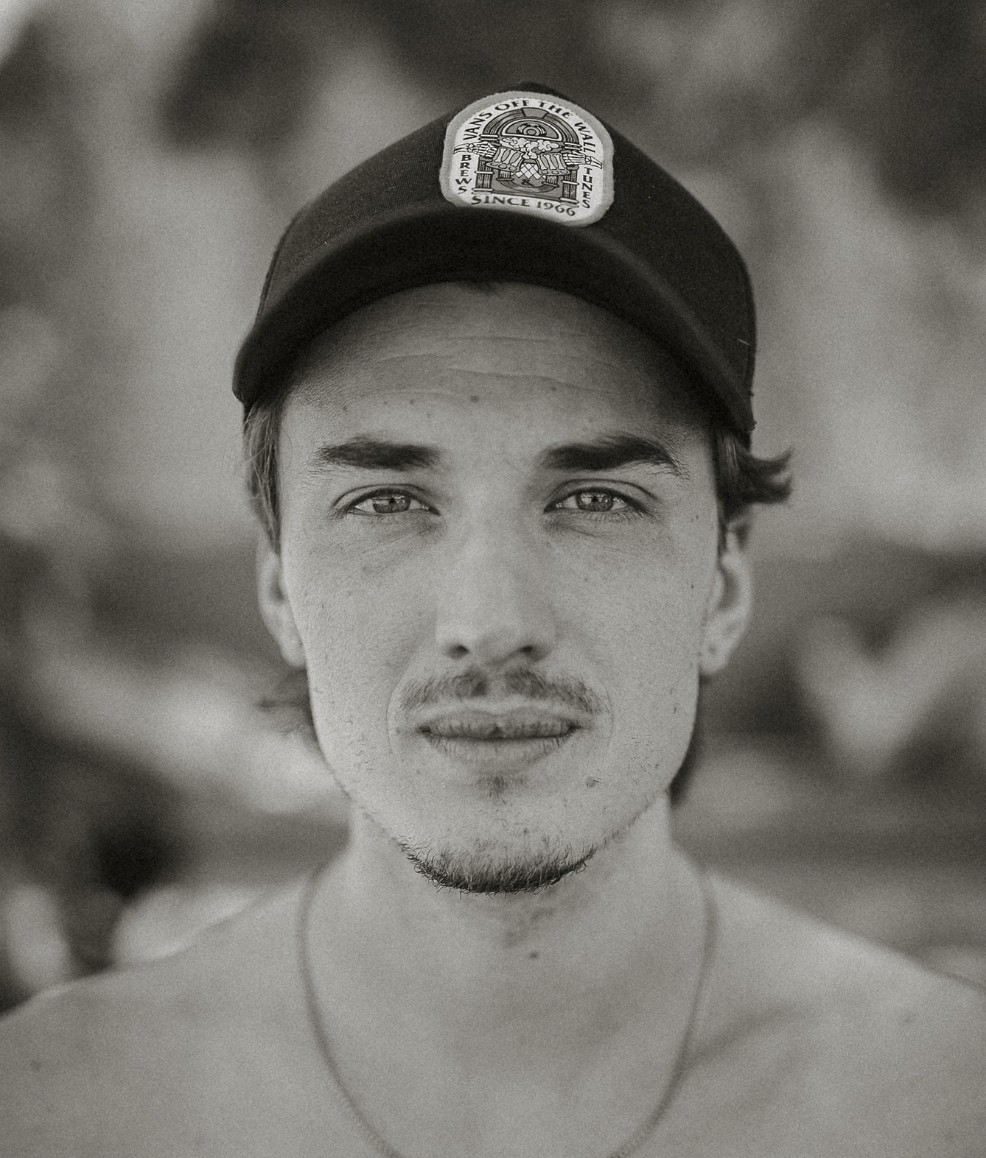
Ian Coll
— Director of Marketing & Content Strategy
Brand storytelling, content development, and digital media reach.
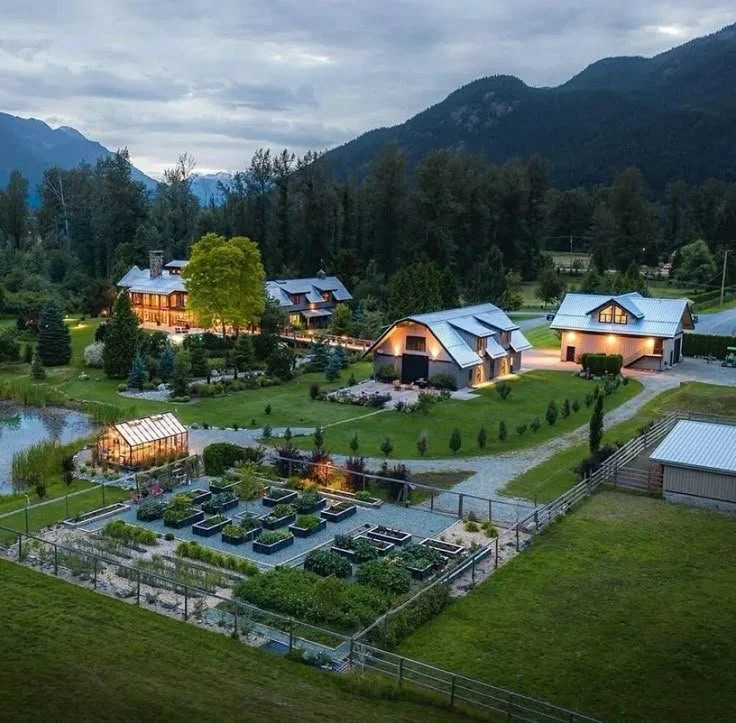
WESTWOODS WELLNESS FARM
Investor Business Plan — Squamish Valley, BC
Executive summery
Westwoods Wellness Farm is a 157-acre Agricultural Land Reserve property in Squamish Valley, British Columbia — one of Canada's most desirable and fastest-growing regions.
The project is a long-term, phased regenerative agricultural development combining land restoration, community agriculture, wellness hospitality, and environmental education. It is structured as a farm-first business: every revenue stream is designed to work within ALR guidelines, protect the long-term integrity of the land, and generate sustainable returns for investors.
Squamish Valley sits at the intersection of two of the fastest-growing markets in the world: agritourism and wellness travel. The global wellness tourism market reached $8 billion in 2025. Squamish draws over 3 million visitors annually to the Sea-to-Sky corridor — and there is currently no farm-based wellness destination within it. Westwoods fills that gap directly.
The project is led full-time by a founder with an established digital audience of 20,000+ followers across Instagram and TikTok, 600,000 average monthly Pinterest viewers, and a growing Westwoods Farm Instagram — providing built-in market demand before a single structure is built.
Westwoods is currently raising capital across two sequential phases totalling ~$2.1M. Phase 1A — $700,000 — secures land control. Phase 1B — ~$1,381,000 — activates the site for revenue operations. Both phases are structured as Convertible Instruments with a 20% conversion discount, $100,000 minimum investment, and 36-month maturity. No senior debt is included in the current raise.
All phases subject to required regulatory approvals.
THE OPPORTUNITY
Why Squamish Valley
Squamish is consistently ranked among Canada's fastest-growing communities. Known internationally as the Adventure Capital of Canada, the Sea-to-Sky corridor draws over 3 million visitors annually — yet has no established farm-based wellness destination. Westwoods is purpose-built to serve this gap.
The wellness travel market is no longer a niche. Travellers are actively seeking transformational, nature-based experiences over traditional resort stays. Farm stays, agritourism, and regenerative land experiences are among the fastest-growing segments within this shift.
The Land
157 acres | Squamish Valley, BC Agricultural Land Reserve (ALR)
BC Assessment Value: $1,616,000
Accepted Offer Price: ~$1,800,000
Negotiated Target Closing Price: $1,400,000
The ALR designation is a strategic advantage. It provides long-term land protection, ensures the asset retains agricultural value, and aligns Westwoods with BC's growing regenerative agriculture movement. This is a land-backed, appreciating asset in one of Canada's most desirable regions.
Preliminary discussions and planning consultations have been initiated with the SLRD and ALC. Ongoing collaboration with Squamish Nation is a core commitment. All development is structured within regulatory frameworks — not speculative zoning.
INVESTMENT STRUCTURE
Phase 1A — Current Raise
Instrument: Convertible Note Raise Target: $700,000
Minimum Investment: $100,000
Cash Interest: None
Conversion Discount: 20% to valuation at time of conversion
Conversion Trigger: Next priced equity round or formal valuation event
Valuation Event: Anticipated upon completion of Phase 1B site activation
Maturity: 36 months
How Conversion Works
An investor commits $100,000 in Phase 1A.
At the time of the priced equity round, the project is valued at $8,000,000.
The investor converts at a 20% discount — purchasing equity at a $6,400,000 valuation rather than $8,000,000.
Early participation is rewarded through discounted equity.
Phase 1B — Sequential Raise
Phase 1B (~$1,381,000) launches once Phase 1A land control is complete.
Phase 1A investors receive right of first participation in Phase 1B.
Final investment terms are set in legal documentation. This document is for informational purposes only and does not constitute a binding offer. All phases subject to required regulatory approvals.
DEVELOPMENT STRATEGY
Westwoods is developed across seven phases. The current capital raise covers Phase 1A and Phase 1B only — the minimum required to secure the land and activate revenue operations. Phases 6 and 7 are intentionally deferred and will be funded through operating cash flow once the site is generating income.
Phase 1A — Land Control | Raise: $700,000
Current raise —
Convertible Instrument,
$100,000 minimum,
20% discount,
36-month maturity
Use of Funds:
$350,000–$450,000 — Land down payment
~$28,700–$36,700 — Closing costs
$75,000 — Permits, legal & design fees
$50,000 — BC Hydro hookup
$50,000 — Well
$31,000–$68,000 — Septic (DIY excavation)
$100,000 — Debt servicing reserve (12 months)
~$68,000 — Contingency (10%)
Total Phase 1A: ~$700,000
At completion of Phase 1A:
land is secured, utilities are initiated, approvals are in motion, and the property is positioned for Phase 1B activation.
The land cannot generate revenue without Phase 1B.
Monthly Carrying Costs (from Phase 1A close)
Mortgage (6%, based on $1.4M–$1.8M purchase price): $7,539–$9,459/month Property tax: $500–$835/month Insurance: $1,700/month
Total estimated monthly: ~$10,574–$12,494/month
In-Kind & Founder Contributions — $0 Cash Cost
The following have been secured at no cash cost, materially reducing capital requirements:
Land clearing — Neighbour contribution — $0
Access roads & fill — Fill company contribution — $0
Spa equipment (tubs, saunas, chairs) — Founder-owned — $0
Phase 1B — Site Activation | Raise: ~$1,381,000
Sequential raise — launches once Phase 1A land control is complete
The land cannot generate revenue without the following infrastructure. These are not growth investments — they are the minimum required to operate.
$75,000 — Lavender planting (mature, harvest-ready)
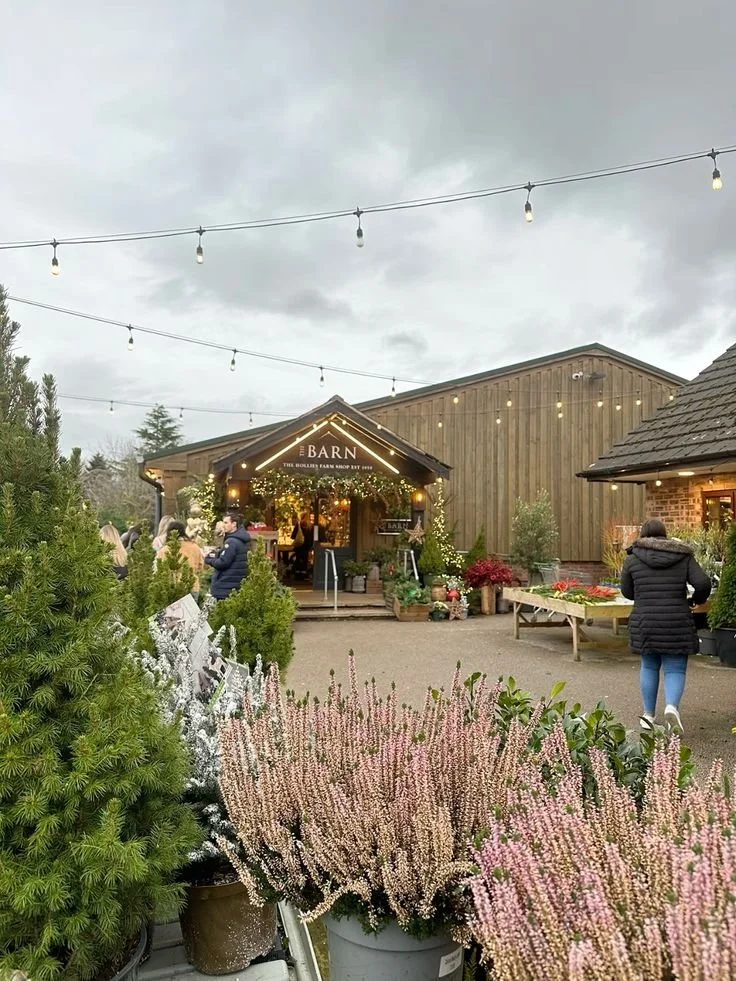
$200,000 — Processing barn
$200,000 — Event barn
$30,000 — Pop-up spa containers (lobby + lounge)
$350,000 — Tiny homes (10 units × ~$35,000)
$350,000 — Modular site office, staff & founder residence
$50,000 — Shipping container storage
~$126,000 — Contingency (10%)
Total Phase 1B: ~$1,381,000
Future Phases — Excluded from Current Raise
Phase 2 — Utility Completion
Phase 3 — Infrastructure Activation
Phase 4 — Agricultural Scaling
Phase 5 — Educational Expansion
Phase 6 — Permanent Spa Build-Out & Greenhouse Expansion (targeted 2028+) Phase 7 — Expanded Farming & Land Clearing (targeted 2028+)
Phases 6 and 7 will be funded through operating revenue, reinvestment, and/or future financing once the site is cash-flowing.
All phases subject to required regulatory approvals.
REVENUE MODEL
Westwoods operates a farm-first, diversified revenue model across six streams. The farm-first approach ensures ALR compliance while generating income from multiple sources, reducing dependence on any single channel.
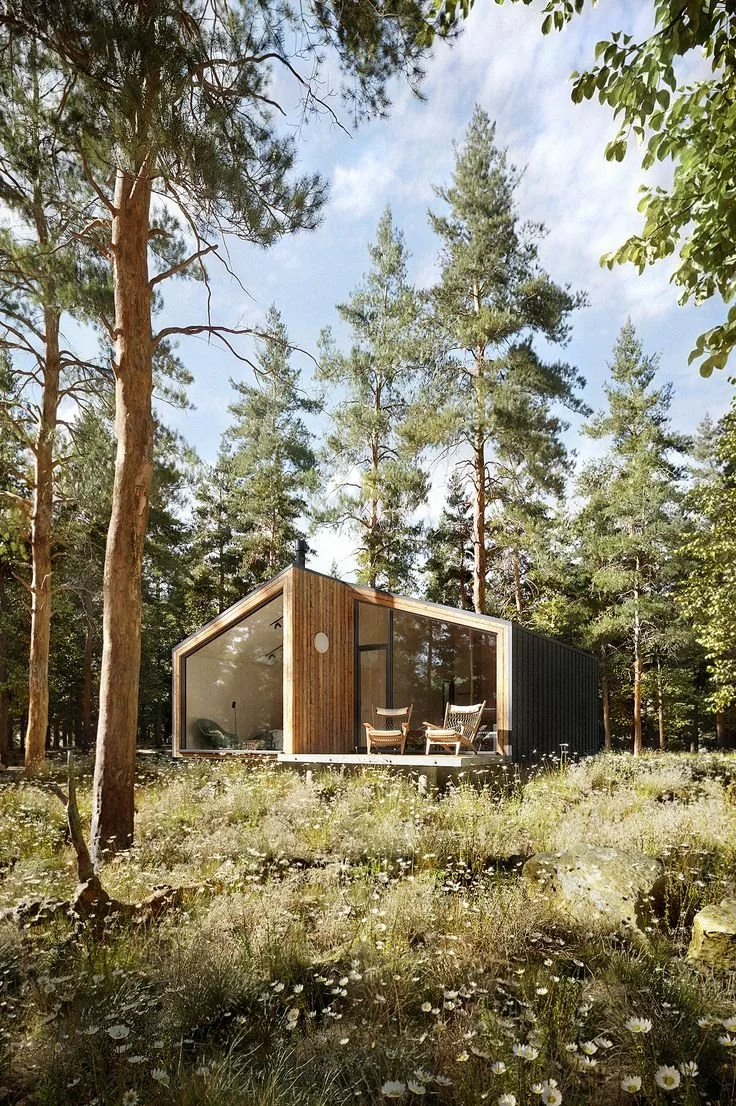
1. Tiny Home Farm Stays
10 furnished tiny homes positioned as a premium farm-stay destination in the Sea-to-Sky corridor. Tiny homes can be on-site within approximately 90 days of purchase from a local Squamish builder.
Target rate: $300–$400/night Comparable BC boutique farm stays and cabin properties achieve 60–75% occupancy. We use 55% as our conservative Year 2 projection.
2. Wellness Spa — Self-Serve, 365 Days
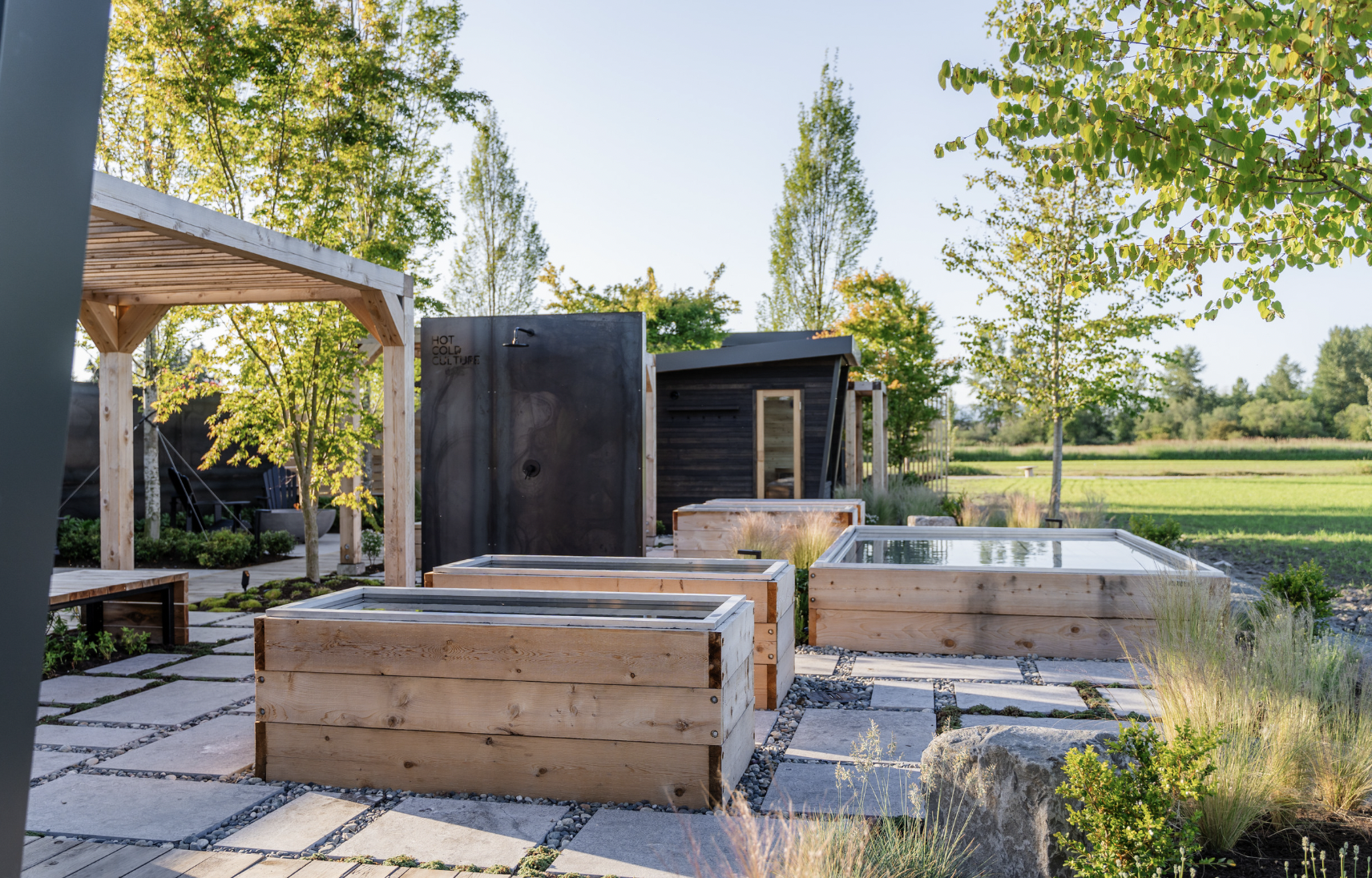
A Nordic-inspired outdoor wellness experience including cold plunge, warm soak, sauna, and wood-fired hot tubs. Fully self-serve — no staff required for daily operations. Open 12 months per year.
Day pass: $75/person Target volume: 200 guests/month
Because no staff are required, all spa revenue flows directly to operating margin.
3. Lavender Farm
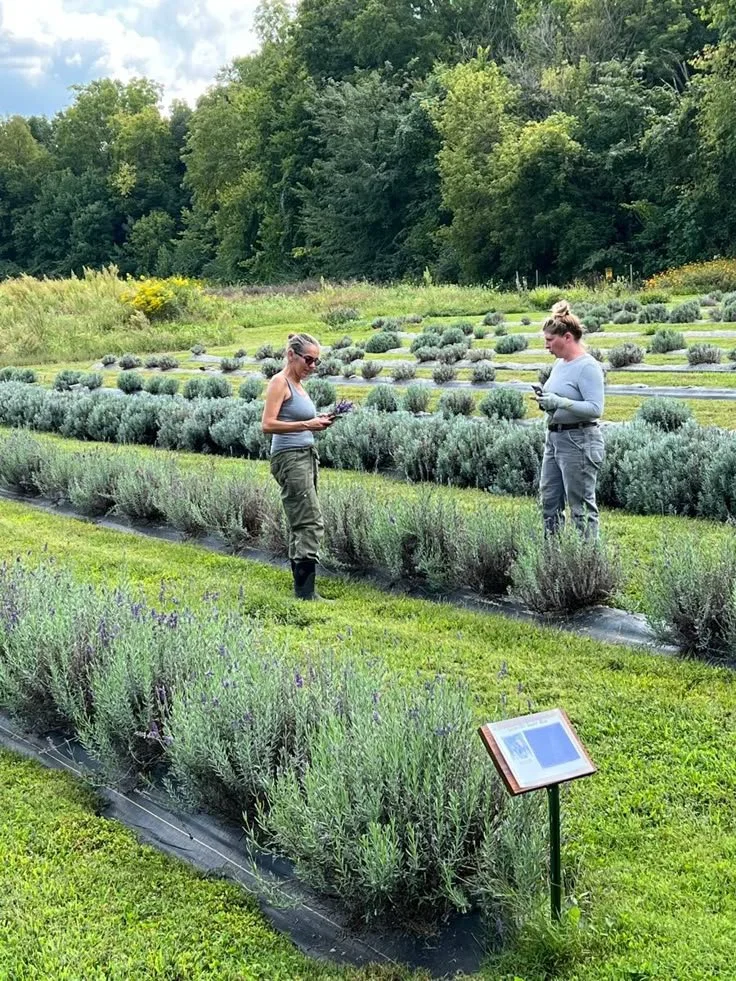
2–3 acres of mature, harvest-ready lavender — one of the highest revenue-per-acre crops in North America. Conservative estimates use $10,000–$30,000/acre in raw product sales. Value-added processing (oils, soaps, sachets, culinary products) multiplies revenue 3–4x.
4. Events — Weddings, Corporate & Retreats
The event barn and farm setting are purpose-built for premium private events. Farm venues in the Sea-to-Sky corridor command $20,000–$35,000 per event.
Target: 12 event events/year at $25,000 average
5. Workshops & Education
Soil health, permaculture, food preservation, and regenerative agriculture programming. Led by two full-time workshop hosts.
2 workshops/month × 20 people × $200/person × 10 months
6. Farm Product Sales
Direct sales of honey, seasonal produce, lavender products, and value-added goods through on-site retail, farmers markets, and online channels.
FINANCIAL PROJECTIONS
Year 1 = ramp-up.
Year 2 = first full operating year.
All projections subject to approvals and phased development.
Year 2 Revenue Projections
Tiny Home Farm Stays — 10 units × $350/night × 55% occupancy — ~$703,000 Wellness Spa — 20 guests/day × $75 × 365 days — ~$540,000
Lavender Farm — 2–3 acres including value-added products — ~$90,000
Events (weddings) — 12 events × $25,000 average — ~$300,000
Workshops & Education — 2/month × 20 people × $200 — ~$80,000
Farm Product Sales — Conservative early-stage — ~$30,000
Total Projected Gross Revenue: ~$1,743,000
Year 2 Operating Costs
Debt service (mortgage + financing): ~$222,000
Staffing (founder, 2 workshop hosts, farm staff): $270,000
Utilities (hydro, water, propane): $24,000
Farm inputs (soil, seeds, lavender care): $15,000
Spa maintenance (chemicals, filters, firewood): $12,000
Event supplies & setup: $10,000
Workshop materials: $8,000
Marketing spend (ads, tools, content): $15,000
Accounting, legal & admin: $10,000
Contingency (10%): ~$9,400
Total Operating Costs: ~$595,400
Net Operating Summary
Projected Gross Revenue: ~$1,743,000
Total Operating Costs: ~$595,400
Net Operating Income: ~$1,147,600
Net Operating Margin: ~66%
A 10% contingency has been applied to operating costs to account for real expenses during the first two years of operation. The spa operates 365 days per year on a fully self-serve model — no staff required, meaning all spa revenue flows directly to margin. The founder operates Plunge Wellness, an existing wellness studio just 20 minutes from the property, with 2,000+ established local contacts and a proven track record as a wellness operator in Squamish — providing direct proof of demand for the Westwoods spa. 20 spa guests per day is a deliberately conservative projection for a destination property with a built-in audience. Farm venue weddings in the Sea-to-Sky corridor regularly command $20,000–$35,000 — Westwoods uses $25,000 as its per-event average, at the midpoint of the market range, across a deliberately limited 12 events per year to protect the farm experience and guest environment. Cabin occupancy at 55% is below the 60–75% achieved by comparable boutique farm stay properties in BC. All revenue projections are expected to grow as the Westwoods brand, audience, and operational systems mature.

FOUNDER ALIGNMENT
Westwoods is a founder-led project with full skin in the game. The founder is relocating on-site, reducing personal burn by ~$7,200/month, investing personal capital, and contributing equipment. Founder risk and investor risk are directly aligned.
Founder Capital Contribution
$200,000+ cash investment
~$50,000 in spa equipment (tubs, saunas, chairs) — founder-owned, contributed at $0 cost to the project
Full-time on-site relocation
Salary reduced to $75,000/year — below market for a role covering CEO, operations, and marketing
Operational Burn Reduction
By relocating on-site, the founder eliminates: ~$3,500/month in housing costs ~$3,700/month in commercial lease costs
Total monthly burn reduction: ~$7,200/month (~$86,400/year)
Audience & Market Validation
Westwoods is being built alongside an existing and growing digital audience — generating measurable market interest before the land is purchased.
Founder Instagram & TikTok: 20,000+ combined followers
Pinterest monthly viewers: ~600,000 average
Westwoods Farm Instagram: 1,400+ followers and growing
This built-in distribution channel directly supports future cabin bookings, retreat launches, educational programming, farm product releases, events, and weddings. The audience is already aligned with the Westwoods brand before a single structure is built.
KEY RISKS & MITIGATION
Regulatory
Risk: ALR, ALC, SLRD, and BC Hydro approvals are required for all development phases.
Mitigation: Formal meetings have been held with the SLRD, who have expressed written support for the project. The farm-first model ensures ALR alignment. Phased development approach reduces exposure at each stage. Early engagement with regulators prior to land closing is a deliberate strategy to reduce approval risk and timeline uncertainty.
Infrastructure Timing
Risk: Delays in utilities or construction could affect activation timeline.
Mitigation: Capital is sequenced across phases. A 12-month debt servicing reserve is included in Phase 1A. DIY excavation and founder-led site work reduce contractor dependence.
Capital Risk
Risk: Raise not completed or delayed.
Mitigation: Founder has invested $200,000+ of personal capital. In-kind contributions reduce total cash required. Convertible structure delays equity pricing until value is established.
Occupancy Risk Risk: Cabin bookings below projection.
Mitigation: Built-in digital audience of 620,000+ monthly reach. Year 2 projection uses 55% occupancy — below the 60–75% achieved by comparable BC properties.
Execution Risk
Risk: Operational challenges in a remote, early-stage environment.
Mitigation: Founder on-site full time. Phased activation reduces capital exposure. Volunteer farm model reduces staffing pressure in early agricultural operations.
All development subject to required approvals.
LONG-TERM VALUE CREATION
Westwoods is structured as a long-term, land-backed asset. The combination of appreciating ALR land, built infrastructure, and stabilised operating revenue creates multiple pathways to investor return.
Value Drivers
Land appreciation — 157 acres of ALR land in a high-demand BC corridor
Infrastructure completion — each phase permanently increases asset value
Stabilised agricultural revenue — lavender and farm products generate recurring annual income
Diversified income — six revenue channels reduce concentration risk
Brand and audience equity — 600,000+ monthly reach provides low-cost customer acquisition
Operational maturity — systems and staff in place reduce execution risk over time
Future Capital Events
Refinancing — once the asset is income-producing and infrastructure is complete
Distributions — from stabilised net operating income
Strategic sale — to a hospitality, wellness, or agricultural operator
Long-term hold model — ongoing income participation
NEXT STEPS
Phase 1A — $700,000 | Target Closing: March 18, 2026
Minimum Investment: $100,000
Structure: Convertible Instrument (20% discount)
Use of Funds: Phase 1A — Land Control
Contact: Admin@westwoods.ca
Process NDA — Sign confidentiality agreement
Data Room — Access to full financial model, site plans, and due diligence materials
Investor Call — Direct conversation with the founder
Legal Documentation — Subscription agreement and convertible note
Westwoods welcomes strategic investors and partners with expertise in construction, infrastructure, agriculture, hospitality, or related services. Budgeted line items may be reduced through in-kind contributions or preferred pricing without impacting project scope or timeline.
Admin@westwoods.ca Westwoods Wellness Farm | Squamish Valley, BC | Confidential All phases subject to required regulatory approvals.
COMPETITIVE LANDSCAPE &
COMPARABLE PROPERTIES
There is no established farm-based wellness destination in the Sea-to-Sky corridor. Westwoods enters a market with no direct local competition and strong proven demand from comparable properties operating successfully in similar environments around the world.
Soho Farmhouse
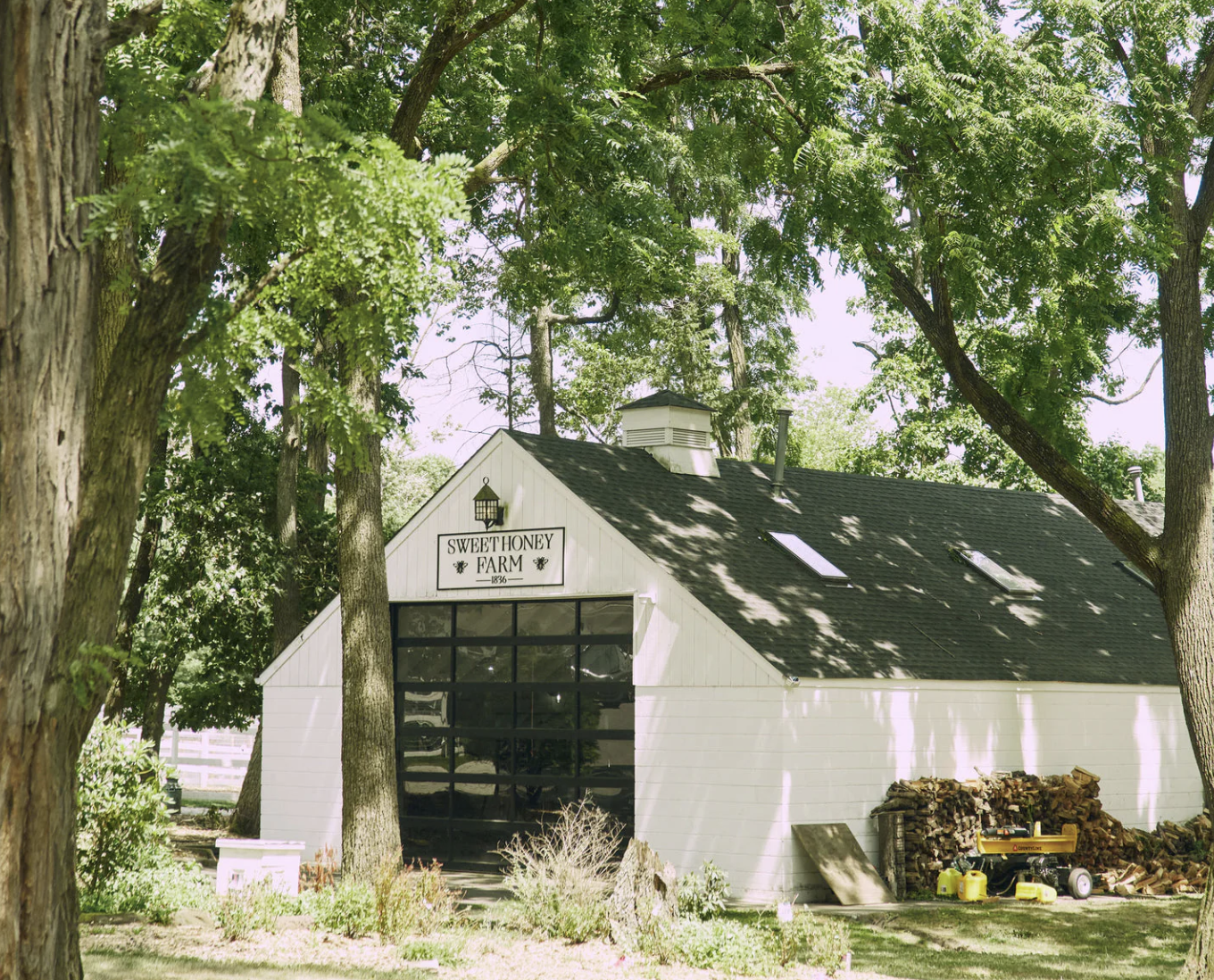
Sweet Honey Farm
-
A members-only farm retreat combining luxury cabin accommodation, farm-to-table dining, a full spa, indoor and outdoor pools, and working farm operations on a beautifully restored countryside estate. One of the most influential farm hospitality concepts in the world, consistently sold out and with a years-long waitlist for membership.
-
Proves that farm aesthetics combined with luxury wellness is an aspirational, high-demand category. The Soho Farmhouse model demonstrates that working farm infrastructure — barns, fields, animals, produce — is not a limitation but the primary draw. Westwoods applies the same principle at an accessible price point in a high-traffic Canadian corridor.
-
Sweet Honey Farm is a working farm and wellness retreat that integrates cold plunges, saunas, and farm-to-table dining into a membership-based experience. Guests and members are encouraged to reconnect with nature through movement, food, and mindfulness. The brand has built a loyal following by combining luxury wellness with authentic simplicity.
-
This concept validates the “farm + wellness + community” model. Westwoods expands on this approach by incorporating regenerative agriculture and immersive retreat programming — creating a space where members can reset, connect, and participate in land stewardship while enjoying luxury amenities.
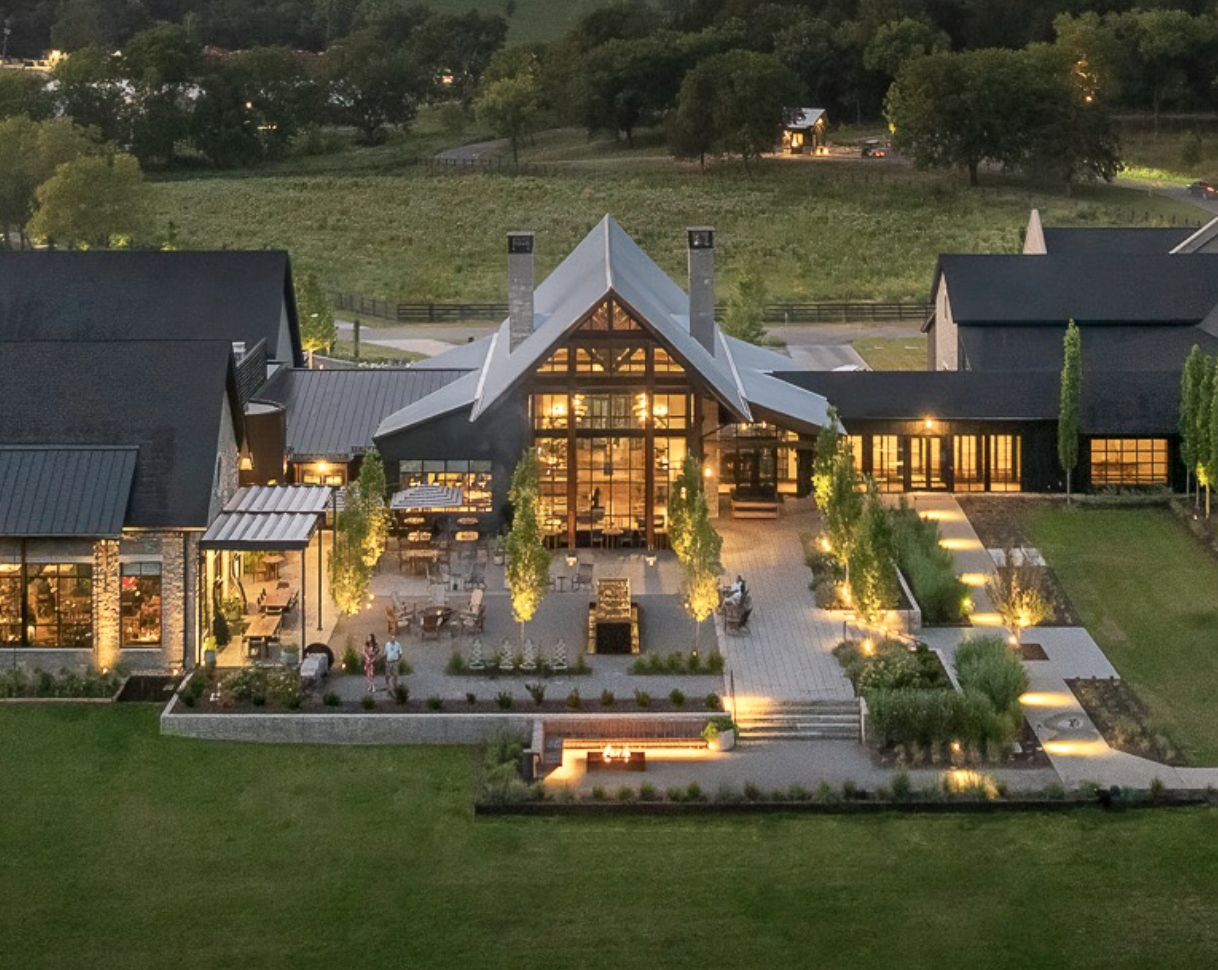
southall farm & inn
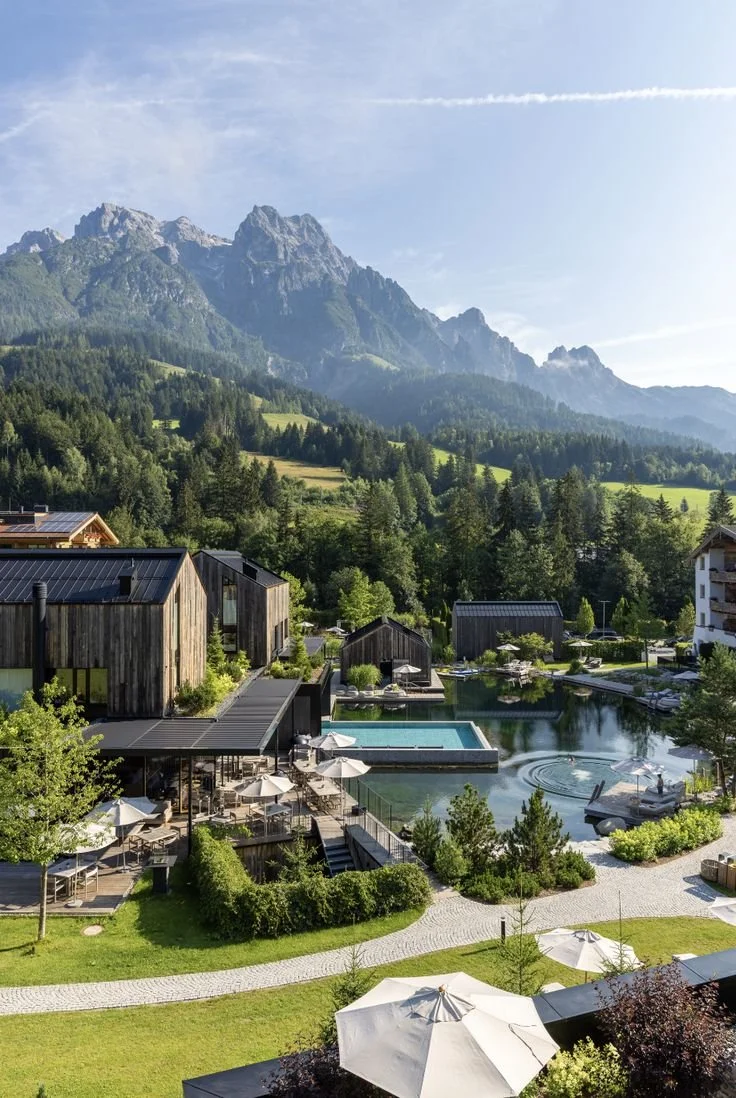
Naturhotel Forsthofgut
-
Southall Farm & Inn, located on approximately 325 acres in Franklin, Tennessee, is a luxury wellness resort and working farm. The property integrates accommodation (62 guest rooms and suites plus 16 cottages) with immersive farm experiences (orchards, apiaries, gardens), wellness amenities (spa, mineral pool, nature-based therapies) and farm-to-table dining from its own land.
-
Southall demonstrates that a property model grounded in land stewardship, wellness and luxury hospitality can succeed at scale. For Westwoods, we borrow this proven framework — cabins plus spa plus immersive nature + farm-driven elements — and adapt it for a British Columbia context, with emphasis on accessibility, community-ownership, and a market already primed for nature-based wellness.
-
Naturhotel Forsthofgut, located in Leogang, Austria, is a five-star alpine wellness resort that seamlessly blends nature, design, and holistic wellbeing. The property features forest-view suites, onsen-style pools, an extensive nature spa, saunas, and regenerative dining sourced directly from the surrounding land. Its brand philosophy — “rooted in nature, refined by design” — has positioned it as a global benchmark for sustainable luxury and experiential wellness travel.
-
Forsthofgut demonstrates the global demand for design-forward, nature-integrated wellness destinations. Westwoods adapts this ethos for the Pacific Northwest — offering a similar sensory and aesthetic experience, but through a modern Canadian lens that emphasizes community connection, female ownership, and regenerative land use.

Scandinave spa whistler BC
-
Scandinave Spa Whistler is one of the region’s most recognized wellness destinations, offering thermal therapy circuits, saunas, steam rooms, and outdoor plunge pools in a forest setting. The brand has created a highly profitable model based on silence, sensory design, and nature immersion — attracting hundreds of thousands of visitors each year.
-
Scandinave validates the strength of wellness tourism in British Columbia. Westwoods differentiates itself by layering accommodation, agricultural experiences, and community programming — transforming the single-visit spa model into a multi-day retreat and recovery offering.
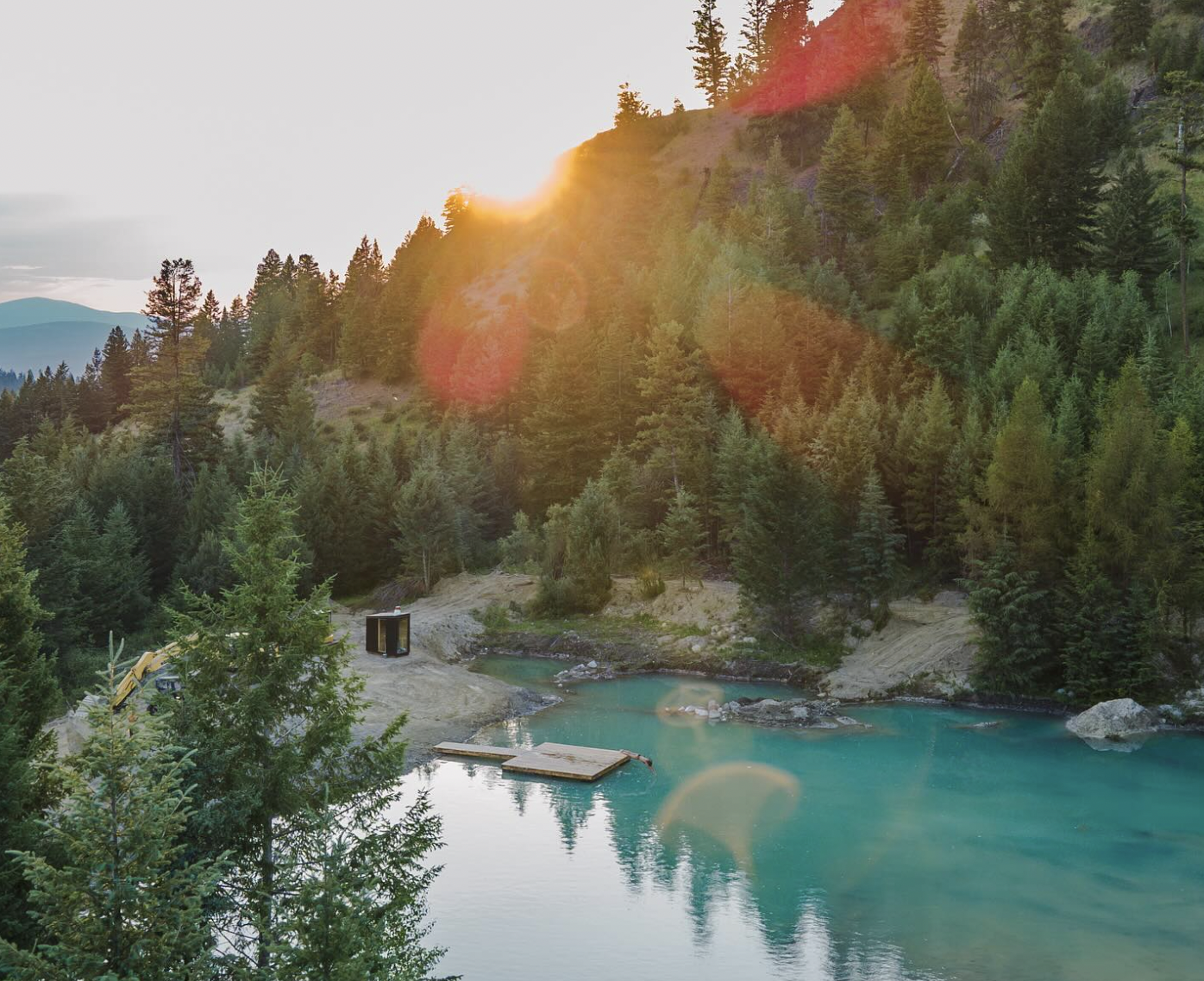
The mountain top at rock creek BC
-
Located on a 160-acre off-grid wilderness property in Rock Creek, British Columbia, The Mountaintop offers modern tiny homes and rustic cabins, each paired with a wood-fire sauna, cold plunge and forest spa experience. Guests stay in a setting rooted in nature, Indigenous stewardship and regenerative land use.
-
This property validates that there is strong demand in B.C. for nature-immersive, wellness-based lodging combining cabins + sauna/cold-plunge + landscape. Westwoods aligns with this market signal and intends to improve on it by offering: a more accessible location (Sea to Sky corridor), full-scale wellness/spa infrastructure, a community-driven brand, a permitted and scalable model, and a design-forward guest experience targeted at a broader audience.
Habitat Wellness BC
-
Habitat Wellness is a boutique outdoor sauna and cold-plunge retreat located outside Vancouver. Focused on simplicity, community, and connection, it offers guests an approachable, nature-immersive way to experience wellness without needing to travel far.
-
Habitat shows there is already strong regional demand for outdoor wellness experiences in British Columbia. Westwoods builds on this success by scaling the concept into a permanent wellness destination — combining spa, retreat, and accommodation in a single, design-driven environment.
The Gap
None of these properties exist in Squamish or the immediate Squamish Valley. Scandinave is 40 minutes north in Whistler. Every other comparable is in another province, state, or country. Westwoods enters a demonstrably underserved market with proven demand on its doorstep, an existing customer base from Plunge Wellness, and a natural setting that rivals any of the above.
Marketing & Media Advantage
Westwoods is supported by a built-in marketing ecosystem that most projects at this stage simply don't have — and can't buy.
A documented build series. The entire creation of Westwoods will be filmed and published as a weekly YouTube series — from land acquisition through construction, first harvest, first guests, and beyond. No one is currently doing this for a regenerative farm and wellness build in Canada. The format follows the proven model of creators like Jenna Phipps and Van Wives, whose weekly DIY build and renovation content has generated millions of followers, brand partnerships, and direct revenue — entirely independently, with no network or distributor required.
Why this matters for investors. The series builds a warm, invested audience before a single cabin is booked. Viewers follow the journey, fall in love with the land, and become the first guests. This is not speculative — it is the exact conversion model that has worked repeatedly in the build/homestead content category. A show runner is already on board.
Owned media, zero cost. Unlike traditional marketing spend, the content costs are absorbed into operations. The founder is the creator. The farm is the set. Every phase of development becomes content that drives awareness, bookings, workshop signups, and event inquiries — at no additional cost to the project or investors.
A growing digital platform with an audience already engaged in wellness, hospitality, and rural living across Instagram, TikTok, Pinterest, and YouTube — providing distribution from day one.
This combination of organic content momentum, an established local reputation through Plunge Wellness, and a weekly build series creates a marketing advantage rarely seen at this stage of development.
COMPANY & LEGAL STRUCTURE
Westwoods Wellness Farm is currently in the pre-incorporation stage. The founder is working with BC legal counsel to establish the appropriate corporate structure prior to land closing. Incorporation will be completed before any investment funds are accepted or the land transaction closes.
The anticipated structure separates the land-holding entity from the operating entity, which is standard practice for land-backed hospitality and agricultural projects of this nature. Investors will hold convertible notes at the entity level that owns the land asset.
Final corporate structure, entity names, and investment vehicle details will be confirmed in legal documentation prior to closing. Prospective investors will receive full disclosure of the legal structure as part of the subscription agreement process.
Investors are encouraged to seek independent legal advice prior to making any investment decision.
EXIT STRATEGY
Westwoods is structured as a long-term, land-backed asset with multiple pathways to investor liquidity. The convertible instrument structure means investors are not locked into a single exit scenario — conversion timing and terms are tied to project milestones, not arbitrary dates.
Pathway 1 — Equity Conversion & Refinancing Once Phase 1B is complete and the site is generating revenue, the asset will be positioned for a formal valuation event. Phase 1A investors convert at a 20% discount to that valuation. At this stage, the property — now income-producing with built infrastructure on 157 acres of ALR land — becomes eligible for commercial refinancing, which may generate proceeds to return capital to investors. Estimated timeline: 18–24 months post Phase 1B completion
Pathway 2 — Strategic Sale A stabilised, revenue-generating regenerative farm and wellness destination in the Sea-to-Sky corridor represents a compelling acquisition target for hospitality groups, wellness brands, agricultural operators, or impact investors. A strategic sale would trigger full investor return plus upside based on asset appreciation. Realistic from Year 3 onward
Pathway 3 — Long-Term Hold & Distributions With a projected ~66% net operating margin in Year 2, Westwoods is designed to generate sustained cash flow. Investors who convert to equity participate in ongoing distributions as the operation matures and cash flow stabilises. Distributions anticipated once 12+ months of stabilised operating revenue is established
Pathway 4 — Note Maturity The convertible note matures at 36 months from the date of investment. If no conversion event has occurred prior to maturity, the note terms govern repayment. The expectation is that a conversion event will occur before maturity as the project reaches operational milestones. 36 months from investment date
No exit is guaranteed. All pathways are subject to market conditions, regulatory approvals, and project execution. Final terms are set in legal documentation.
USE OF PROCEEDS — DETAILED
Every dollar raised in Phase 1A is allocated to a specific purpose. The following reflects how a $700,000 raise is deployed:
Land Acquisition $350,000–$450,000 — Down payment on the 157-acre Squamish Valley property at a negotiated target closing price of $1,400,000, paired with a conventional mortgage for the balance.
Closing Costs ~$28,700–$36,700 — Legal fees, title transfer, property transfer tax, and closing administration directly associated with the land transaction.
Permits, Legal & Design Fees $75,000 — Professional fees for ALR/ALC applications, SLRD permitting, corporate and investment legal structuring, architectural and site design consultations, and regulatory pathway development.
BC Hydro Connection $50,000 — Primary electrical service connection from BC Hydro to the property. Required before any infrastructure can be activated.
Well $50,000 — Drilling and installation of a primary water well. Required for all domestic and agricultural water needs on the property.
Septic System $31,000–$68,000 — Installation of a septic system using DIY excavation to reduce costs. Range reflects variability in soil conditions and system sizing requirements.
Debt Servicing Reserve $100,000 — A 12-month reserve held to cover mortgage payments during the pre-revenue Phase 1A period. This protects the asset and investor capital in the event of delays in Phase 1B activation.
Contingency ~$68,000 — A 10% contingency buffer held in reserve to cover unforeseen costs during the land acquisition and Phase 1A activation period.
Total Phase 1A: ~$700,000
No Phase 1A funds are allocated to founder salary, personal expenses, or Phase 1B infrastructure. Phase 1B is a separate, sequential raise.
ASSUMPTIONS & DISCLAIMERS
The following assumptions underlie all financial projections, cost estimates, and operational plans contained in this business plan. Investors should review these carefully.
Revenue Assumptions
Tiny home occupancy is projected at 55% in Year 2. This is below the 60–75% occupancy achieved by comparable boutique farm stay properties in BC and is used as a conservative baseline.
Tiny home nightly rate is projected at $350 average ($300–$400 range). This reflects current market rates for premium farm stay accommodations in the Sea-to-Sky corridor.
Wellness spa is projected at 20 guests per day, 365 days per year, at $75 per day pass. The spa operates on a fully self-serve model with no daily staffing requirement.
Spa projections are supported by the founder's operation of Plunge Wellness in Squamish — an existing wellness business 20 minutes from the property with 2,000+ established local contacts and $218,000 in 2025 revenue.
Lavender revenue is projected at ~$90,000 annually from 2–3 acres including value-added products. This is based on conservative industry estimates of $10,000–$30,000 per acre in raw product, multiplied by value-added processing.
Lavender is purchased as mature, harvest-ready plants. Year 1 harvest is assumed to be partial. Full production is assumed from Year 2 onward.
Events are projected at 12 per year at $25,000 average. This reflects a mix of weddings and corporate events. Farm venue weddings in the Sea-to-Sky corridor regularly command $20,000–$35,000. $25,000 is used as the midpoint.
Workshop revenue is projected at 2 workshops per month, 20 participants, $200 per person, over 10 operating months.
Farm product sales are projected conservatively at $30,000 in Year 2 to reflect early-stage production volumes.
Year 1 is treated as a ramp-up year. Year 2 projections reflect the first full operating year.
All revenue projections are in Canadian dollars.
Cost Assumptions
Mortgage payments are estimated at $7,539–$9,459 per month based on a 6% interest rate on a $1.4M–$1.8M purchase price.
Property tax is estimated at $835/month at non-farm status, reducing to $500/month upon successful farm status designation.
Insurance is estimated at $1,700/month. This will be confirmed with a commercial agricultural insurance provider prior to closing.
Staffing costs total $270,000 annually — founder ($75,000), two workshop hosts ($65,000 each), and one farm staff member ($65,000). The founder role covers CEO, operations, and marketing functions.
Tiny home financing is estimated at ~$3,885/month for 10 units at 6% over 10 years with a ~$10,000 per unit down payment.
Modular site office and founder residence financing is estimated at ~$2,613/month at 6%.
A 10% contingency has been applied to all operating cost projections to account for unforeseen expenses during the first two years of operation.
Land clearing, access roads, and fill have been secured at $0 cash cost through neighbour and fill company contributions.
Spa equipment including tubs, saunas, and chairs has been secured at $0 cash cost through founder ownership and contribution.
Regulatory Assumptions
All development phases are subject to ALR/ALC approval, SLRD approval, and BC Hydro and utility approvals.
Formal meetings have been held with the SLRD, who have expressed written support for the project. Planning consultations have been initiated with the ALC. No formal approvals have been granted at the time of this document.
Farm status designation is assumed to be achievable but is not guaranteed. Property tax projections reflect both farm and non-farm scenarios.
Tiny home placement and short-term rental operations are subject to SLRD zoning approval. This is included in the permitting budget.
Wellness spa operations are subject to applicable health authority and SLRD approvals.
Capital & Investment Assumptions
Phase 1A raise target is $700,000. If the full raise is not completed, the founder will assess whether a partial close is sufficient to proceed with land acquisition.
Phase 1B raise (~$1,381,000) is a separate, sequential raise that launches once Phase 1A land control conditions are met. Phase 1B terms are to be confirmed at time of raise.
The debt servicing reserve of $100,000 is held to cover 12 months of mortgage payments during the pre-revenue period. It is not available for operational expenditure.
No senior debt is included in the current raise structure.
Founder has invested $200,000+ in personal capital prior to the raise.
General Disclaimers
This business plan is for informational purposes only and does not constitute a binding offer, prospectus, or solicitation of investment.
All financial projections are estimates based on available information at the time of writing. Actual results may differ materially.
Past performance of the founder's existing business (Plunge Wellness) is not a guarantee of future results at Westwoods.
This document is confidential and intended solely for the recipient. It may not be reproduced or distributed without written consent.
All figures are in Canadian dollars unless otherwise stated.
Westwoods Wellness Farm maintains an ongoing commitment to collaboration with Squamish Nation. Development plans will respect and incorporate Indigenous consultation requirements.
Investors should seek independent legal and financial advice before making any investment decision.
All phases subject to required regulatory approvals.
NEXT STEPS
Phase 1A — $700,000 | Target Closing: March 18, 2026
Minimum Investment: $100,000
Structure: Convertible Instrument (20% discount)
Use of Funds: Phase 1A — Land Control
Contact: Admin@westwoods.ca
Process NDA — Sign confidentiality agreement
Data Room — Access to full financial model, site plans, and due diligence materials
Investor Call — Direct conversation with the founder
Legal Documentation — Subscription agreement and convertible note
Westwoods welcomes strategic investors and partners with expertise in construction, infrastructure, agriculture, hospitality, or related services. Budgeted line items may be reduced through in-kind contributions or preferred pricing without impacting project scope or timeline.
Admin@westwoods.ca Westwoods Wellness Farm | Squamish Valley, BC | Confidential All phases subject to required regulatory approvals.
THE LOCATION
20-minute drive from downtown Squamish
1 hour 20-minute drive from downtown Vancouver
55-minutes to Whistler
Squamish is BC's fastest growing municipality — Sea to Sky corridor welcomes 4M+ visitors annually