
The Business Model & Marketing Strategy
WestWoods operates with a multi-revenue model designed for stability and scale. Revenue streams include:
Farm workshops, events, and corporate bookings
Day-use thermal spa access and memberships
Overnight farm stays and curated wellness retreats
Farm-to-table café, F&B, and branded retail products grown on the farm

Alongside diversified revenue, WestWoods benefits from a built-in marketing engine through FoundHer Media, leveraging:
Layne O’Donnell’s established social media presence and storytelling (1M+ Monthly views)
Deep community ties within Squamish and the Sea to Sky corridor
A forthcoming unscripted build-series documenting Westwoods' development from raw land to operational retreat
Cross-platform digital storytelling inspired by Canadian creators such as Vanwives and Jenna Phipps, blending transparency, design, and entrepreneurship
This media-driven approach reduces acquisition costs and accelerates awareness across the entire FoundHer portfolio including WestWoods.
Market Opportunity
The WestWoods Project sits at the convergence of four high-growth sectors:
• Farm & Agritourism: One of the fastest-growing segments of rural hospitality, with the global agritourism market valued at ~USD 7.9B and projected to grow ~11% annually, driven by demand for farm stays, food education, and nature-based experiences.
• Wellness Tourism: USD $651B market, nearly 2× the growth rate of general tourism; broader category valued at $1.2T, growing 8–10% annually.
• Spa & Retreat Industry: $436B global market aligned with FoundHer’s core operations.
• Female-Led Design & Ownership: Women drive 70–80% of wellness purchasing and book most spa and retreat travel — yet own <2% of hospitality real estate assets, creating clear white space for female-led ownership.
The Opportunity: A scalable, regenerative, female-led hospitality platform positioned within multiple overlapping, demand-driven growth markets.
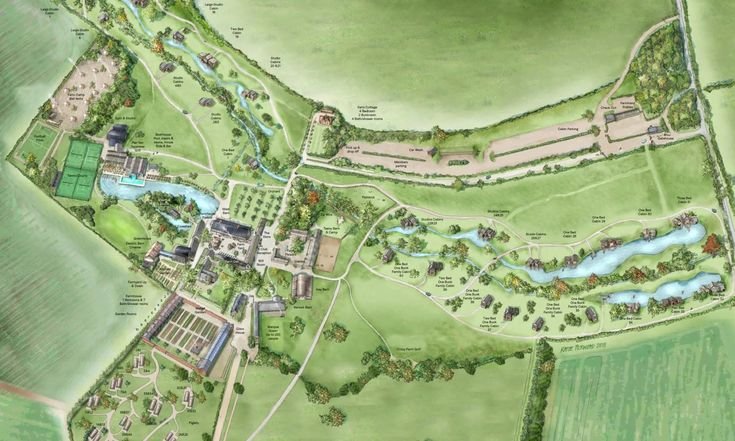
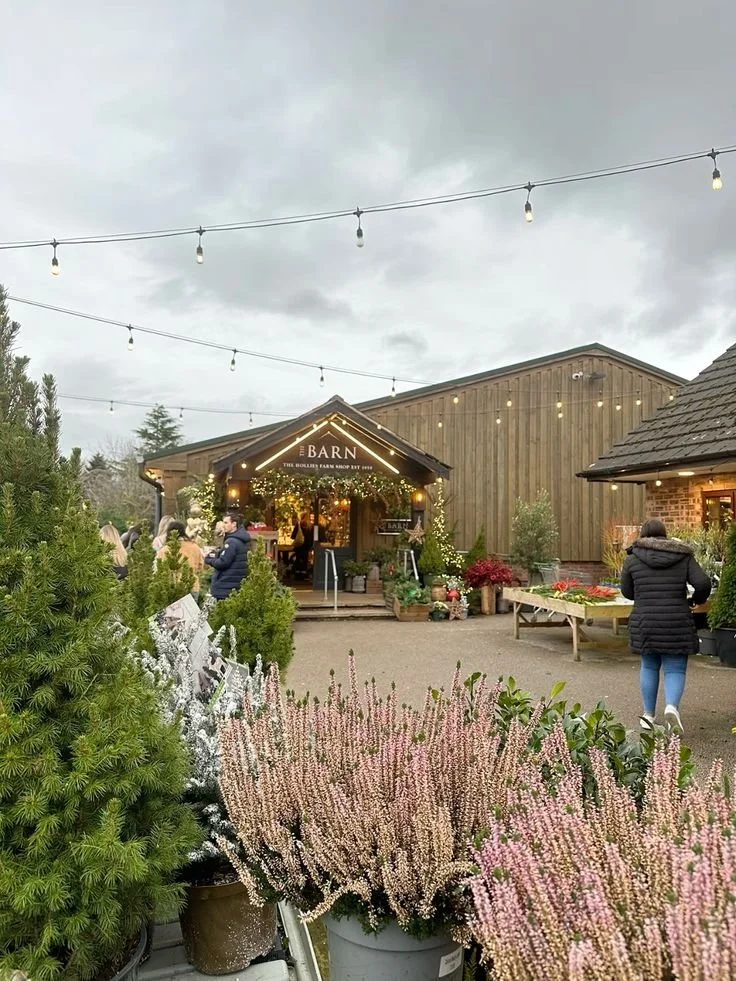
Our inspiration: Soho Farmhouse
Others Who Do Wellness Tourism Right
The global wellness-hospitality category is growing rapidly, led by brands that blend nature, design, wellness, and farm-integrated experiences. Operators like Soho Farmhouse, Southall Farm, Sweet Honey Farm, and Naturhotel Forsthofgut demonstrate the rising demand for experiential, regenerative wellness destinations.
While each of these brands excels within its niche, none combine thermal spa circuits, overnight cabins, regenerative agriculture, community programming, and women-first design under one model — the space FoundHer Projects will occupy.
Soho Farmhouse
-
Located on a 100-acre countryside estate in Oxfordshire, Soho Farmhouse combines private-member exclusivity with a relaxed rural lifestyle. Guests stay in luxury cabins and access a full wellness offering — spa, hydrotherapy pools, fitness, and outdoor recreation. The property blends hospitality, design, and community, making it a leading example of a profitable, experience-driven wellness destination.
-
Soho Farmhouse proves the demand for high-end, nature-immersive hospitality that merges wellness, accommodation, and lifestyle. Westwoods adapts this model for the Canadian market — offering the same elevated experience but rooted in community, inclusivity, and accessibility rather than exclusivity.
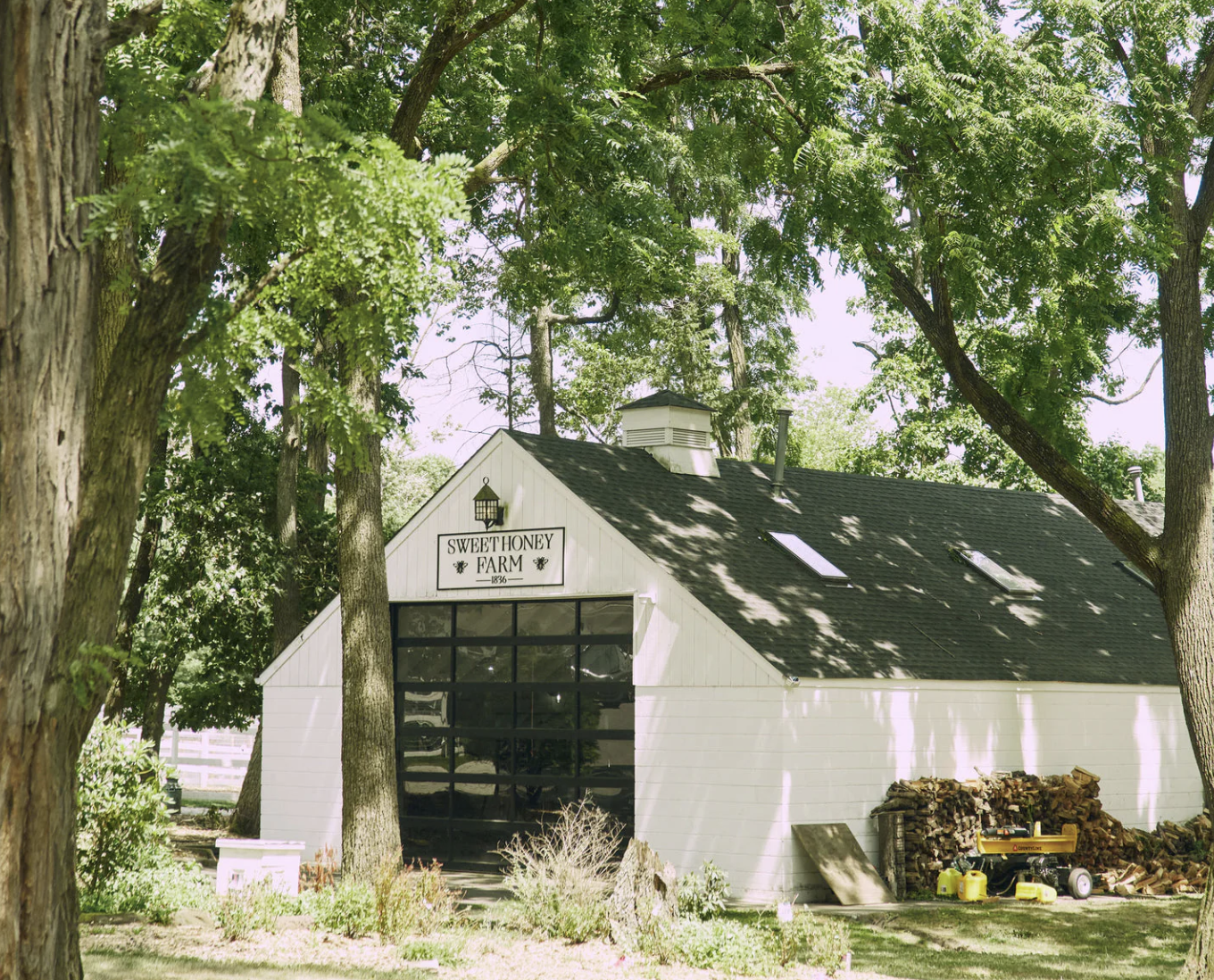
Sweet Honey Farm
-
Sweet Honey Farm is a working farm and wellness retreat that integrates cold plunges, saunas, and farm-to-table dining into a membership-based experience. Guests and members are encouraged to reconnect with nature through movement, food, and mindfulness. The brand has built a loyal following by combining luxury wellness with authentic simplicity.
-
This concept validates the “farm + wellness + community” model. Westwoods expands on this approach by incorporating regenerative agriculture and immersive retreat programming — creating a space where members can reset, connect, and participate in land stewardship while enjoying luxury amenities.
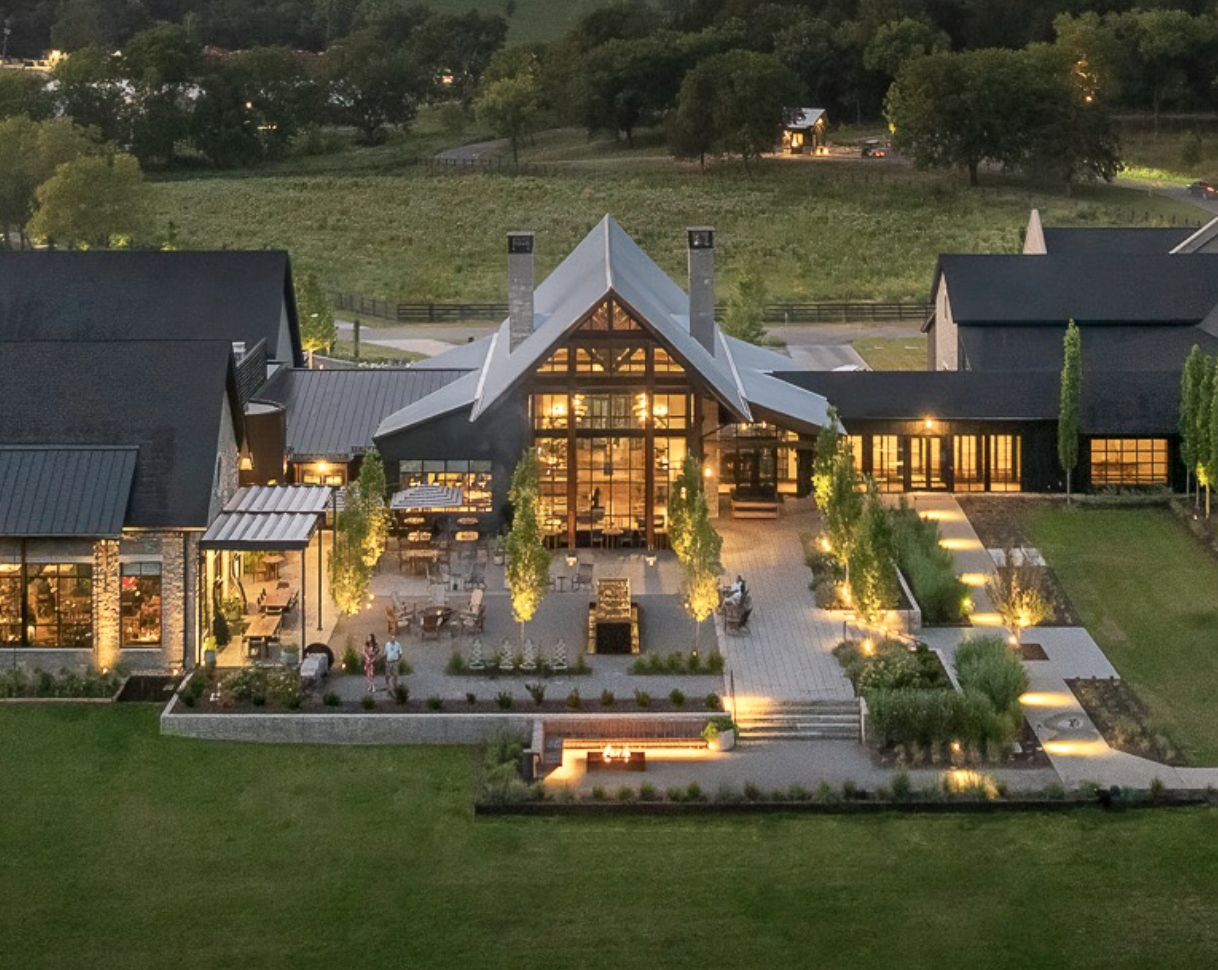
southall farm & inn
-
Southall Farm & Inn, located on approximately 325 acres in Franklin, Tennessee, is a luxury wellness resort and working farm. The property integrates accommodation (62 guest rooms and suites plus 16 cottages) with immersive farm experiences (orchards, apiaries, gardens), wellness amenities (spa, mineral pool, nature-based therapies) and farm-to-table dining from its own land.
-
Southall demonstrates that a property model grounded in land stewardship, wellness and luxury hospitality can succeed at scale. For Westwoods, we borrow this proven framework — cabins plus spa plus immersive nature + farm-driven elements — and adapt it for a British Columbia context, with emphasis on accessibility, community-ownership, and a market already primed for nature-based wellness.
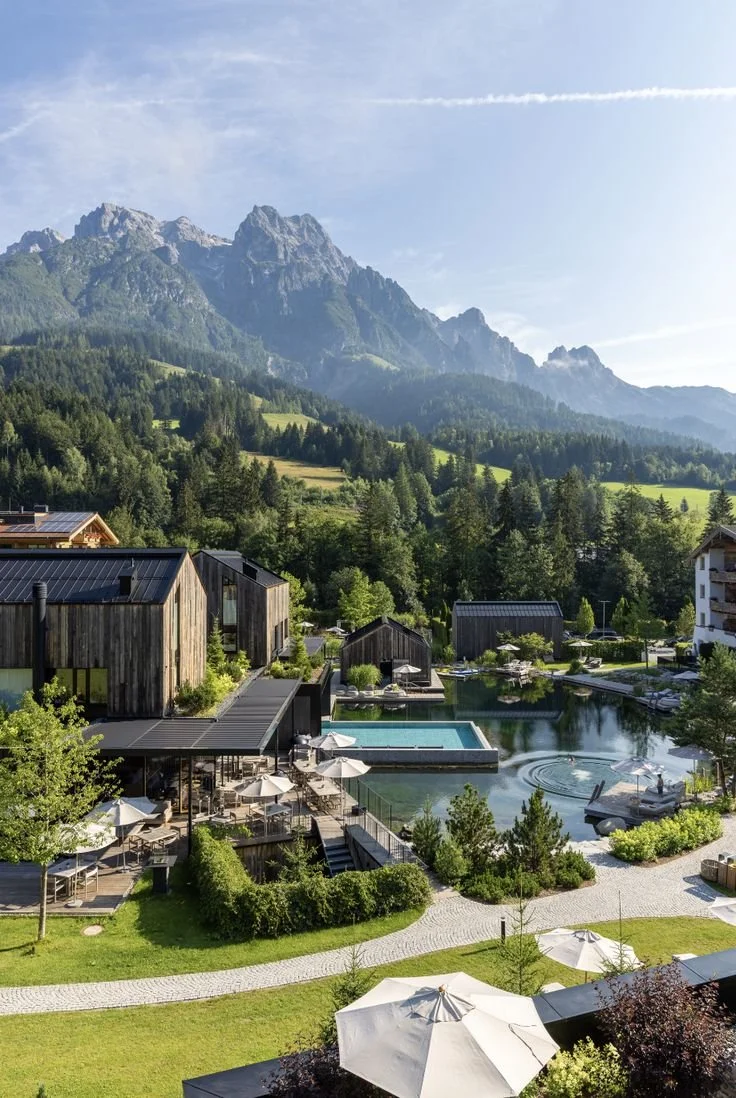
Naturhotel Forsthofgut
-
Naturhotel Forsthofgut, located in Leogang, Austria, is a five-star alpine wellness resort that seamlessly blends nature, design, and holistic wellbeing. The property features forest-view suites, onsen-style pools, an extensive nature spa, saunas, and regenerative dining sourced directly from the surrounding land. Its brand philosophy — “rooted in nature, refined by design” — has positioned it as a global benchmark for sustainable luxury and experiential wellness travel.
-
Forsthofgut demonstrates the global demand for design-forward, nature-integrated wellness destinations. Westwoods adapts this ethos for the Pacific Northwest — offering a similar sensory and aesthetic experience, but through a modern Canadian lens that emphasizes community connection, female ownership, and regenerative land use.

Scandinave spa whistler BC
-
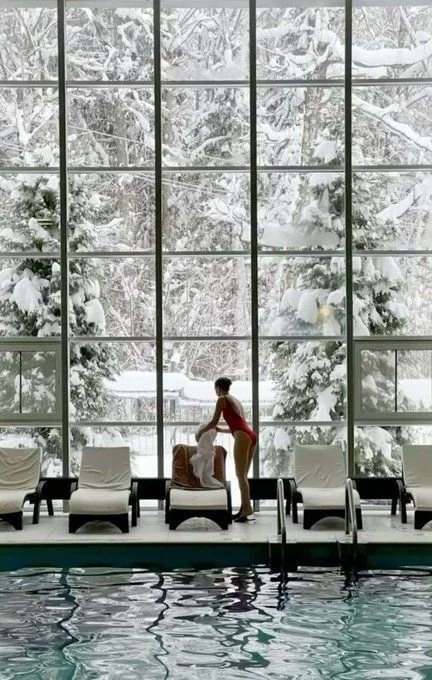
Scandinave Spa Whistler is one of the region’s most recognized wellness destinations, offering thermal therapy circuits, saunas, steam rooms, and outdoor plunge pools in a forest setting. The brand has created a highly profitable model based on silence, sensory design, and nature immersion — attracting hundreds of thousands of visitors each year.
-
Scandinave validates the strength of wellness tourism in British Columbia. Westwoods differentiates itself by layering accommodation, agricultural experiences, and community programming — transforming the single-visit spa model into a multi-day retreat and recovery offering.
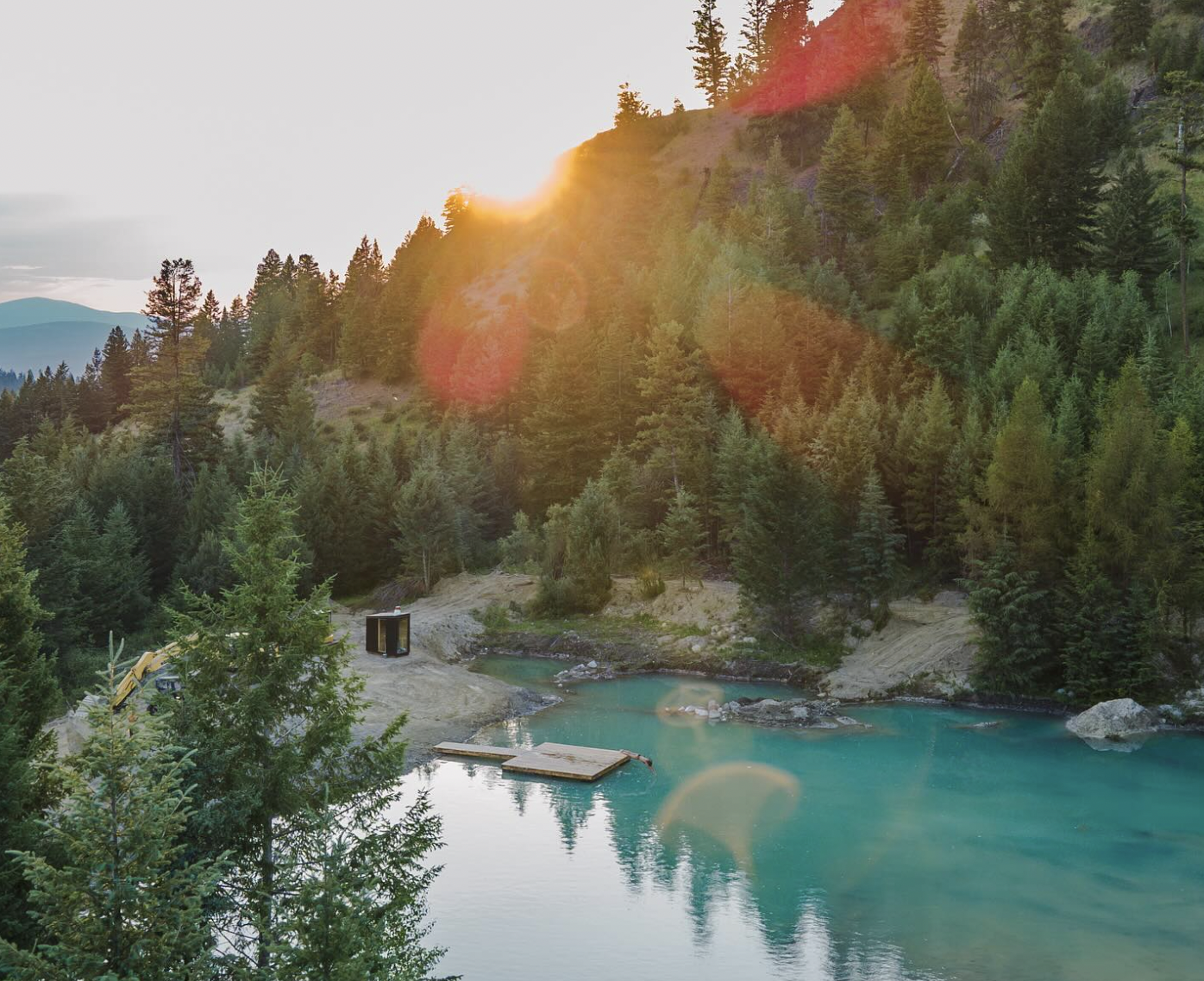
The mountain top at rock creek BC
-
Located on a 160-acre off-grid wilderness property in Rock Creek, British Columbia, The Mountaintop offers modern tiny homes and rustic cabins, each paired with a wood-fire sauna, cold plunge and forest spa experience. Guests stay in a setting rooted in nature, Indigenous stewardship and regenerative land use.
-
This property validates that there is strong demand in B.C. for nature-immersive, wellness-based lodging combining cabins + sauna/cold-plunge + landscape. Westwoods aligns with this market signal and intends to improve on it by offering: a more accessible location (Sea to Sky corridor), full-scale wellness/spa infrastructure, a community-driven brand, a permitted and scalable model, and a design-forward guest experience targeted at a broader audience.
Habitat Wellness BC
-
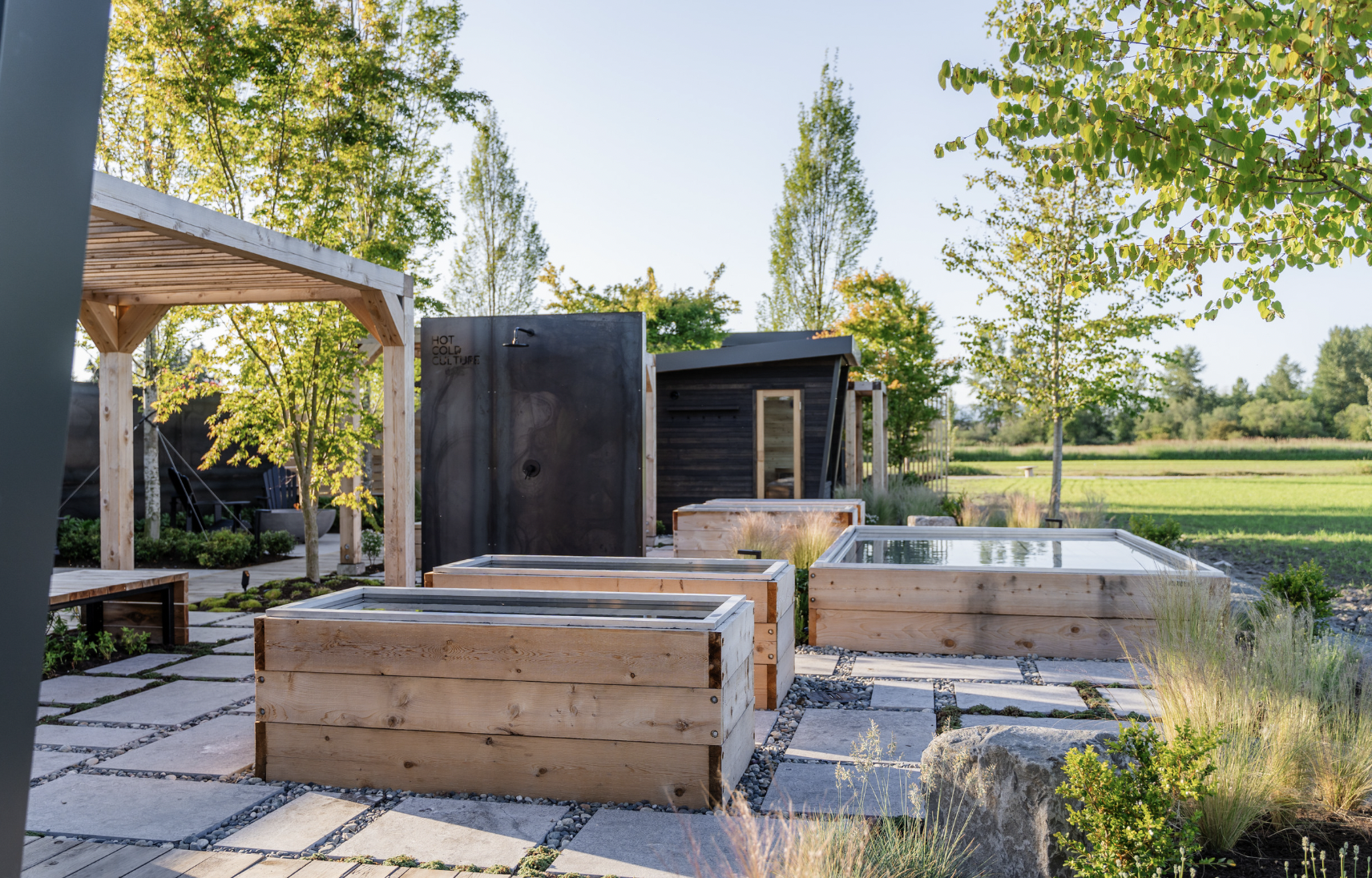
Habitat Wellness is a boutique outdoor sauna and cold-plunge retreat located outside Vancouver. Focused on simplicity, community, and connection, it offers guests an approachable, nature-immersive way to experience wellness without needing to travel far.
-
Habitat shows there is already strong regional demand for outdoor wellness experiences in British Columbia. Westwoods builds on this success by scaling the concept into a permanent wellness destination — combining spa, retreat, and accommodation in a single, design-driven environment.
Why this matters
These brands validate the demand for nature-led, wellness-focused, design-driven destinations.
WestWoods builds on this momentum — while filling the gap for female-led, regenerative, multi-revenue wellness properties in North America.
The Team
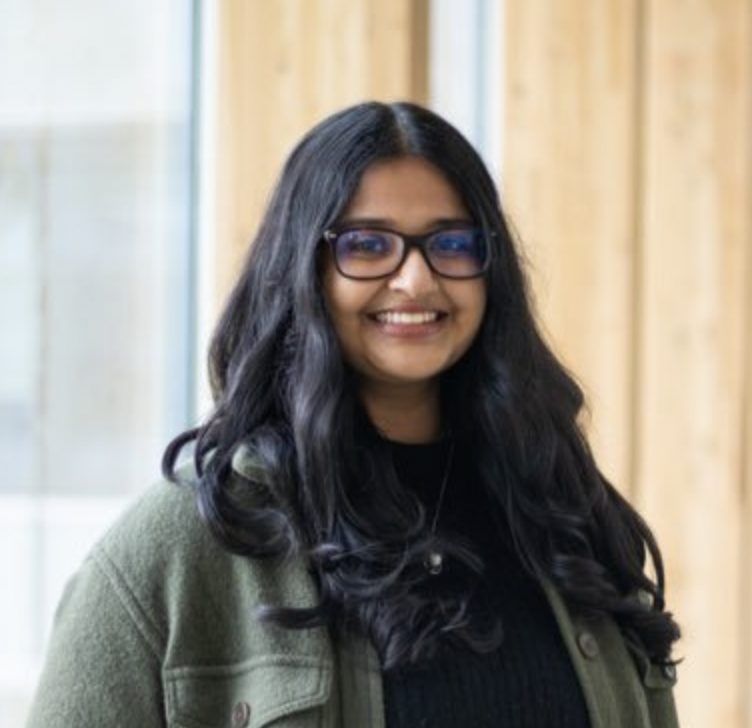
Layne O’Donnell – Founder & CEO
Founder of Plunge Wellness, the pilot project for Westwoods. Plunge Wellness is a profitable wellness studio in Squamish, B.C., built from $135K with zero employees, zero marketing spend, and two years of consistent profitability. Layne created the FoundHer development model and operates the proof-of-concept thermal spa that validates the demand for women-led wellness destinations in the Sea To Sky area.
Core Development & Operations
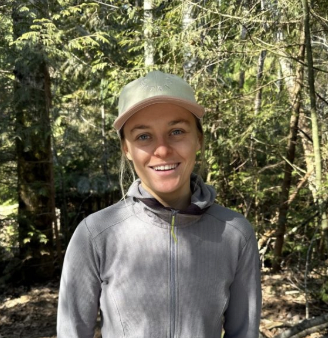
Dr. Julia Lawrence, PhD
– Director of Environmental Sustainability
Environmental scientist overseeing regenerative land management, sustainability strategy, and ecological impact.
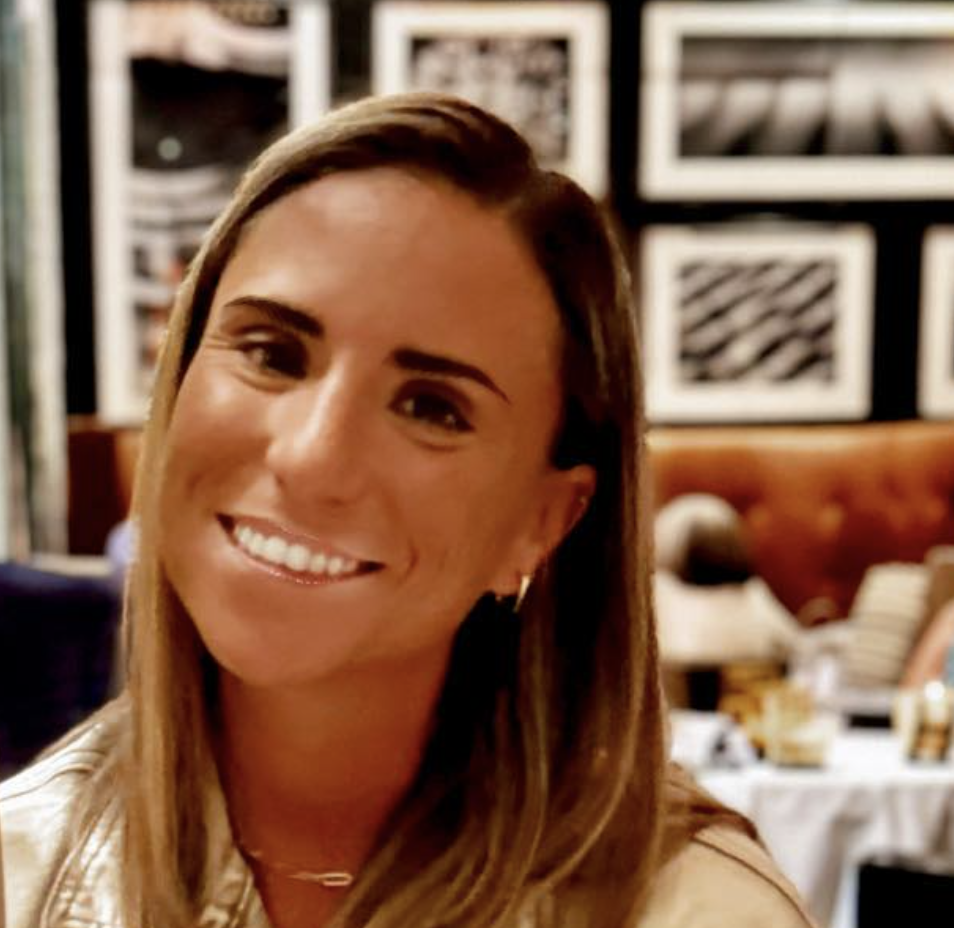
Kerry Conway
— Travel Experience & Partnerships Coordinator
Guest experience design, partnerships, logistics, and retreat coordination.
Financial & Governance
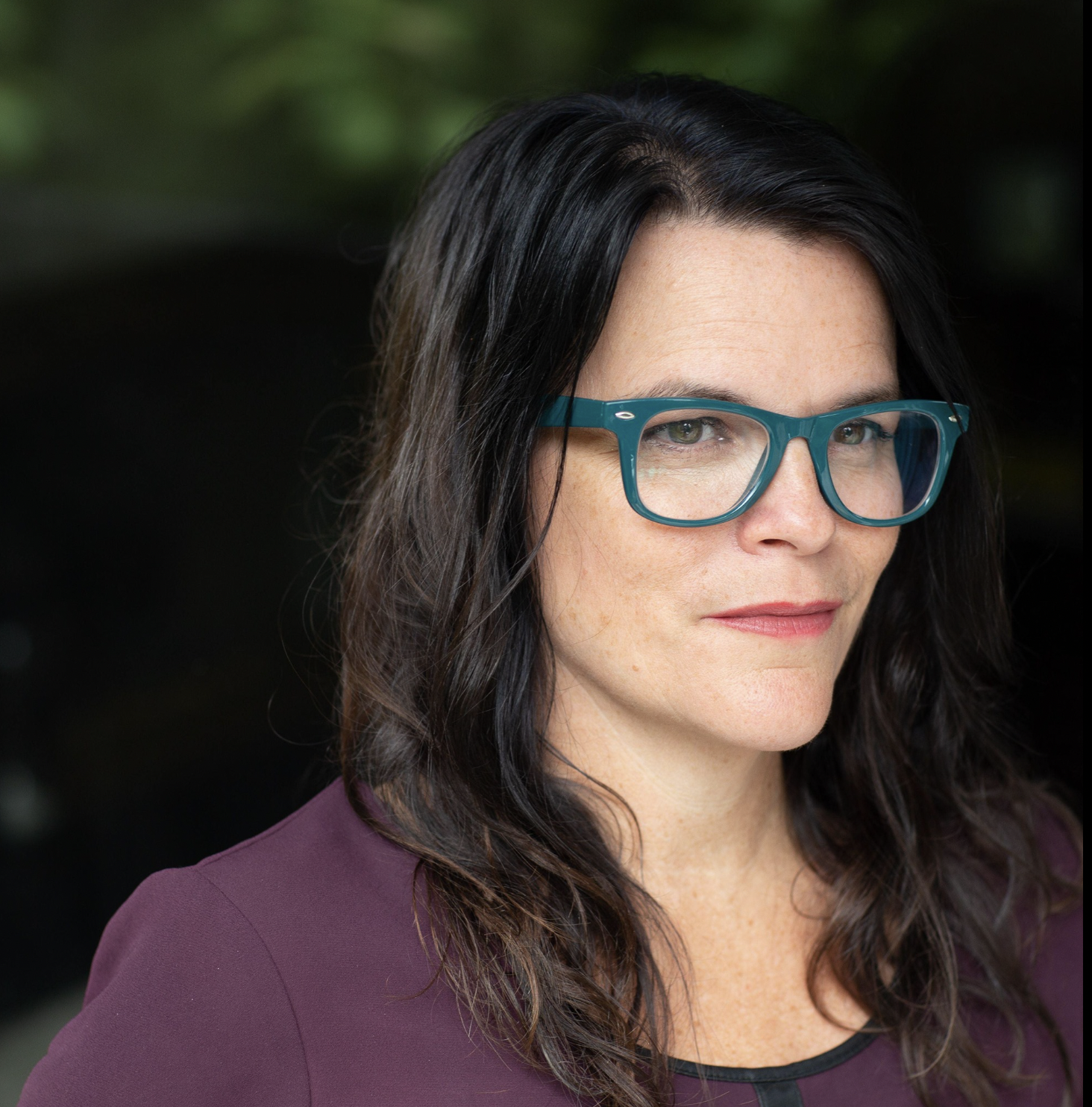
Jacquie McCarnan — Director of Philanthropy & Community Initiatives
Community relationships, partnerships, and local integration.
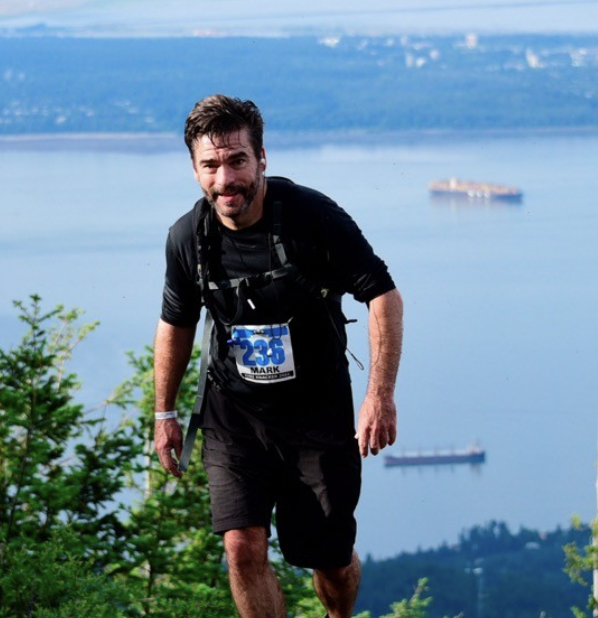
Mark Vaughan
– Director of Landscape Architecture & Environmental Design
Responsible for site planning, land activation, regenerative landscape design, and the integration of natural systems.
Experience & Programming
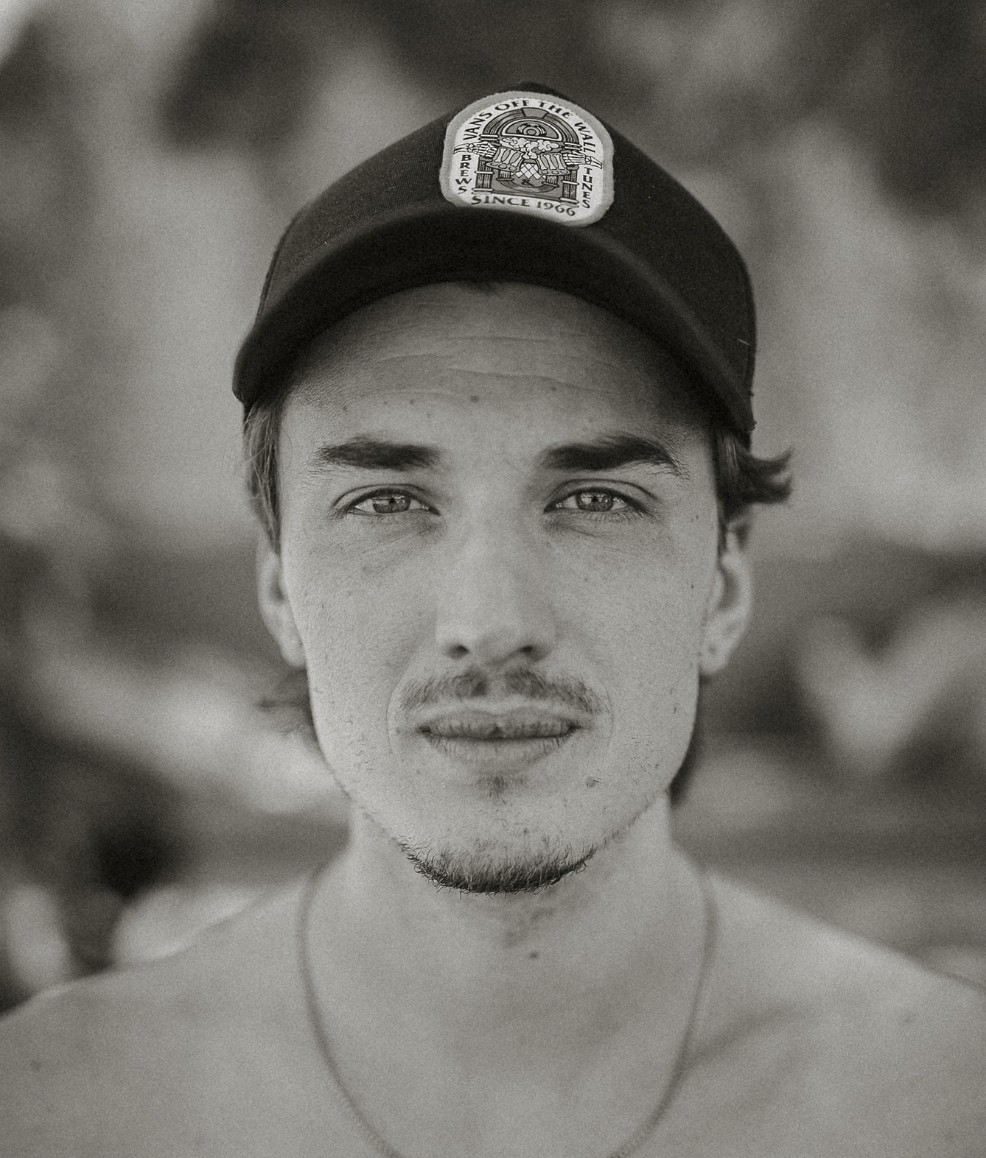
Simi Badyal
— Director of Public Health & Women’s Health
Women-centered design insights, safety considerations, wellness programming integrity.
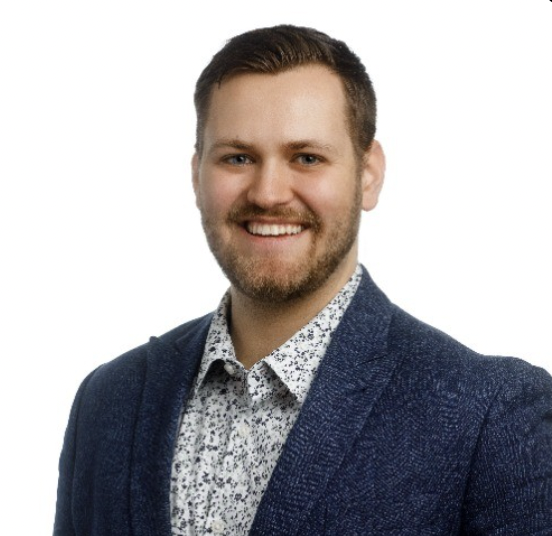
Trevor McWilliams — Interim Chief Financial Officer
Financial modeling, forecasting, and capital planning.
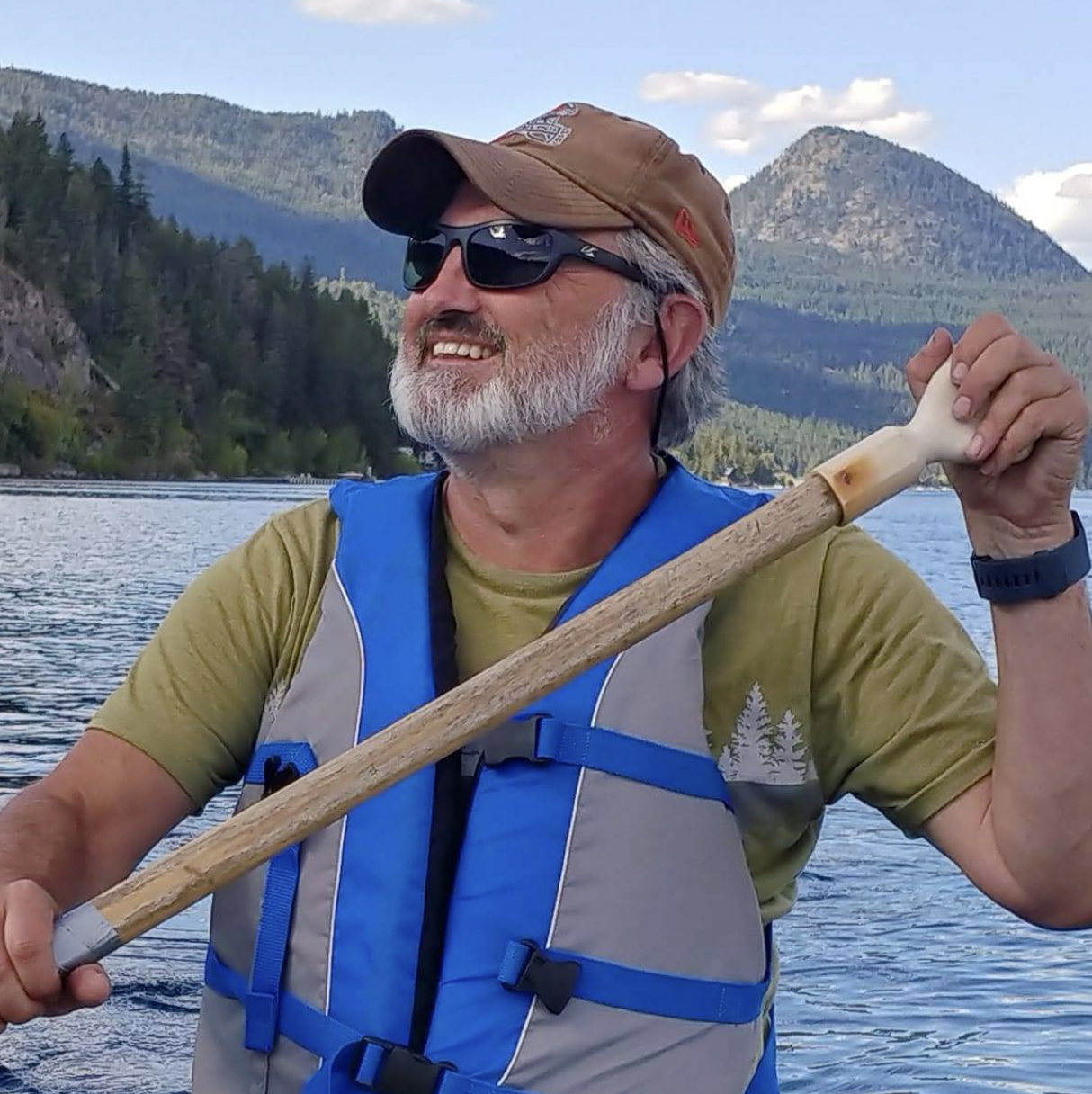
Peter O’Donnell
– Capital Projects Advisor
Supports WestWoods with senior-level oversight of project managers, schedule integration, and delivery strategy, leveraging extensive experience from major BC redevelopment projects.
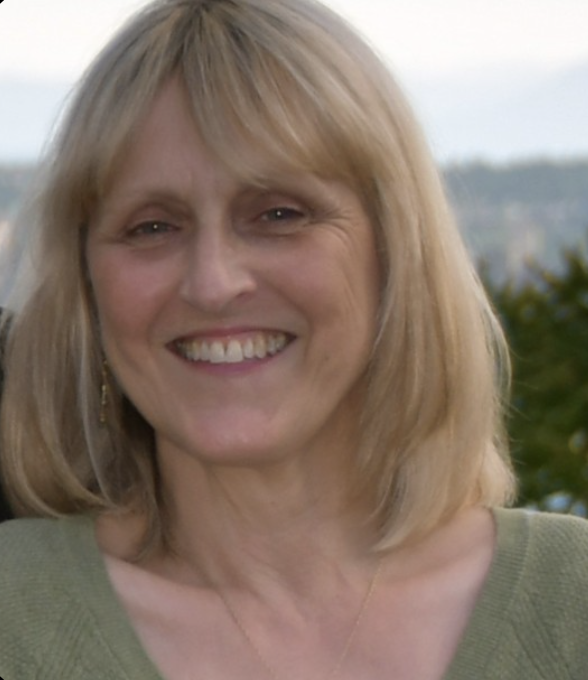
Jeff & Eleanor McWilliams — Forestry Consultants
Silviculture, forest biometrics, ecosystem health, and long-term land stewardship.
Ian Coll
— Director of Marketing & Content Strategy
Brand storytelling, content development, and digital media reach.
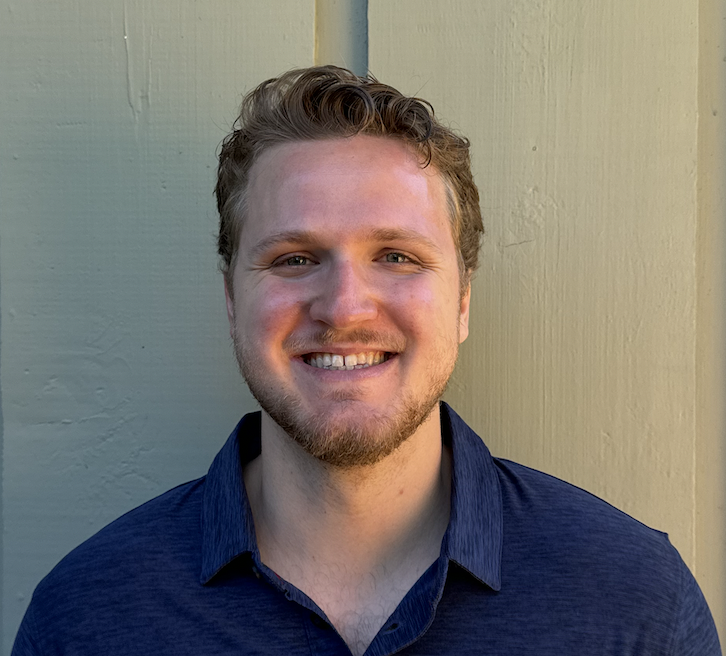
Aaron McWilliams
– Director of Business Operations
Overseeing on-site operations, systems, staffing frameworks, and brand standards across all FoundHer destinations.
Marketing & Media
Hospitality & Development Advisors

Actively searching for
– Hospitality & Media Advisor

Actively searching for
Development Advisor – Hospitality & Property Development
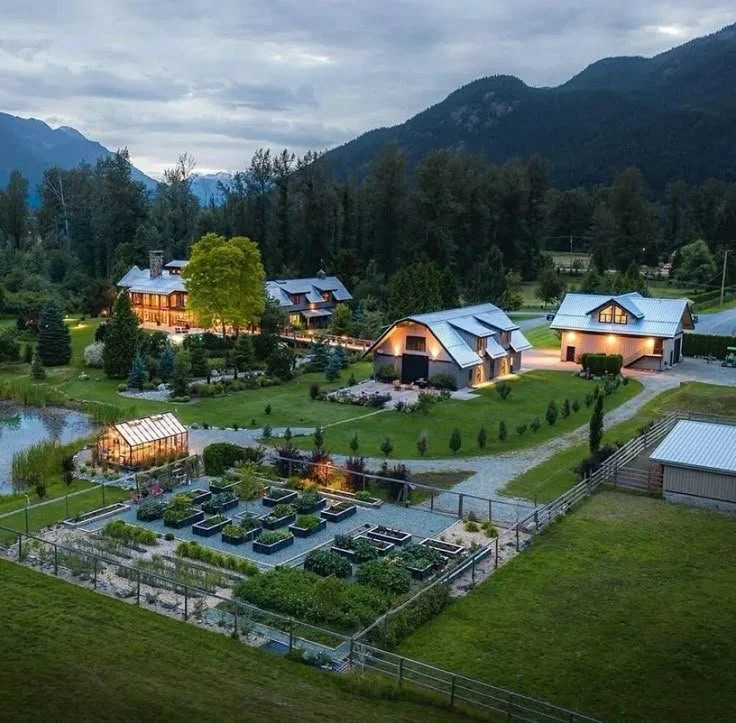
Development Approach
Westwoods follows a staged, risk-managed build plan:
Phase 1A — Land Purchase & Servicing
Secure the property
Sustainable land clearing
Drill well, route power, install septic, and build access roads on the property
Complete agricultural activation requirements
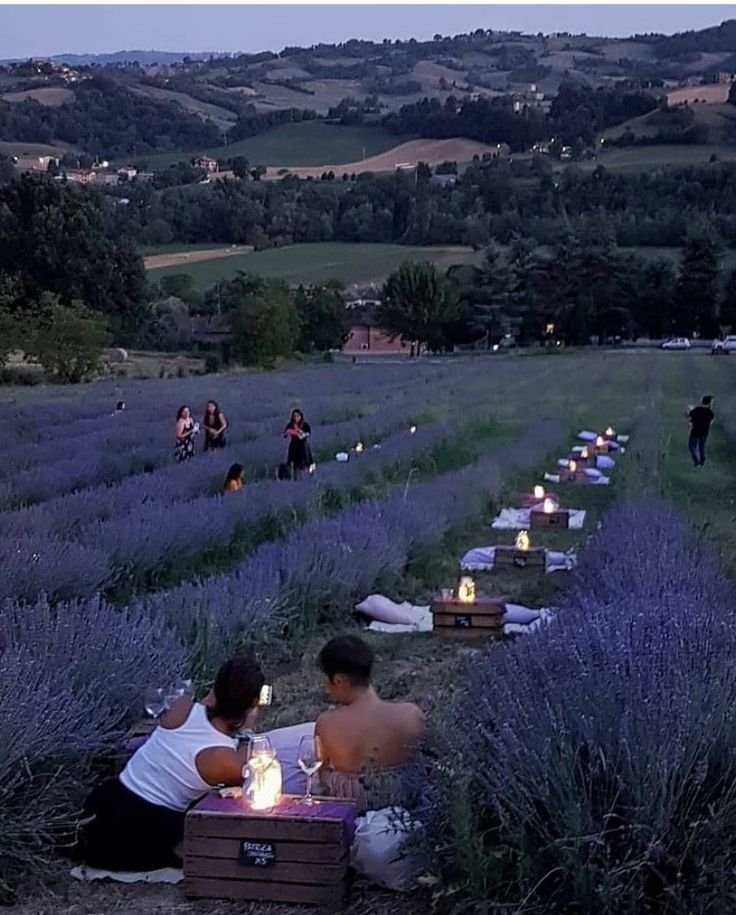
Phase 1B — Outdoor Spa (Revenue First)
A low-complexity, outdoor thermal experience modelled after Habitat Wellness but with our own kick.
Includes:
2 saunas
1 hot + 4 cold pools
1 luke-warm pool
3 covered lounges
700sqf small lobby + changerooms + washrooms
This facility is designed to open quickly and begin generating revenue early in the development cycle.
Phase 1C — Modular Accommodations
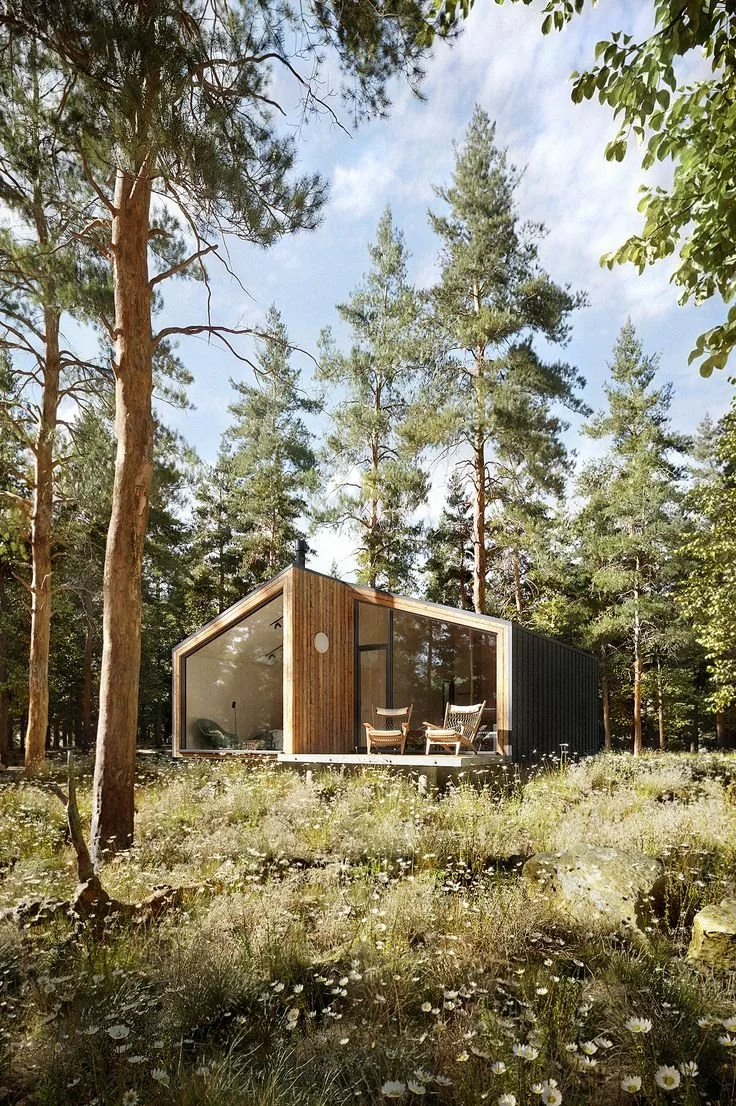
10 modular cabins (studio units designed and built in Squamish) delivered through a predictable, factory-controlled build timeline.
Modular construction significantly reduces risk related to weather, delays, and cost overruns.
Investment Overview
Phase 1 of Westwoods represents a grounded, well-structured development project combining hospitality, wellness, and agricultural activation on a 157-acre property in Squamish, BC. The model is intentionally conservative, backed by hard assets, and structured to leverage institutional lending whenever possible.
Our goal is simple: secure the land, service the essentials, build revenue-producing amenities, and deliver a high-margin wellness hospitality destination with strong long-term upside.
Phase 1 Budget
The total capital requirement for Phase 1 is approximately $3,000,000, allocated as follows:
Land Purchase: $1,800,000. $450,000 down payment
Working capital, pre-development & Contingency: $750,000
Land Servicing (well, septic, tree clearing, road access, power): $400,000
Cabins: 10 Cabins at $70,000 each. $700,000
Spa & wellness amenities: $450,000 (Example)
Farm establishment & early operations: $250,000
These figures reflect real, verifiable local build costs and supplier quotes for modular construction.
Timeline
January 8, 2026 — Offer Accepted
Westwoods enters contract with a 90-day subject period focused on due diligence, planning, and capital structuring.
January–February 2026
Due Diligence & Feasibility
Legal, zoning, and land-use review
ALR compliance and agricultural use confirmation
Preliminary site planning and servicing feasibility
Early consultant and planner engagement
Community support and presale launch
February–March 2026
Planning & Capital Formation
Refined site layout and phased development plan
Agricultural plan finalized (crop selection, soil prep, water strategy)
Infrastructure and permitting pathway confirmed
Financing conversations (community capital, private investment, farm lending)
Investor outreach by application
April 8, 2026
Subject Removal Decision
Due diligence complete
Capital strategy finalized
Transaction becomes firm if conditions are satisfied
Why Westwoods
Westwoods aligns with three established, high-demand sectors: wellness tourism, rural hospitality, and agri-tourism. The project is grounded in real numbers, a practical build plan, and a strong advisory team.
With land-backed assets, early revenue from the outdoor spa, and a phased development strategy, Westwoods offers a clear, steady path to value creation without unnecessary complexity.
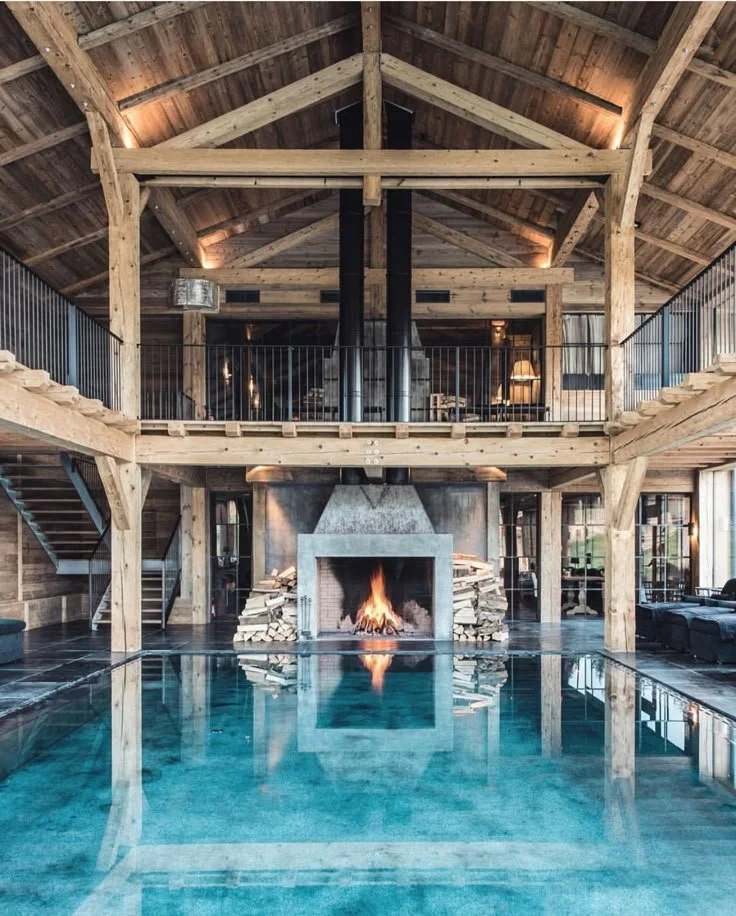
Risk Management
Westwoods has been structured to reduce risk across planning, construction, financing, and operations. The approach is grounded in conservative assumptions, proven build methods, and support from an experienced advisory team.
Key Safeguards
Land-backed investment: The project is anchored by real property with immediate value uplift as soon as servicing is completed.
Modular construction: Predictable pricing, controlled timelines, and lower exposure to weather or onsite delays.
Outdoor spa build: A low-complexity, outdoor thermal layout with significantly reduced CapEx compared to traditional indoor facilities.
Government-backed lending: FCC and BDC financing reduces reliance on equity and provides longer-term, stable debt structures.
Early revenue: The spa is designed to open before the full accommodation build is complete and before the farm is generating revenue. The goal is to generate cash flow early in the project.
Conservative budgeting: Dedicated contingency and soft-cost buffers are built into every stage of Phase 1.
Experienced advisory team: Westwoods is supported by a group of experts, including individuals with master’s degrees, PhDs, and extensive backgrounds in land development, sustainability, wellness, and hospitality. This team is deeply committed to the vision, long-term strategy, and responsible stewardship of the project.
Every element of this plan is designed to protect capital, maintain predictable timelines, and build long-term value for all stakeholders.
Marketing & Media Advantage
Westwoods is supported by a built-in marketing ecosystem designed to accelerate awareness, bookings, and long-term brand value. The project benefits from:
A growing digital platform with an audience actively engaged in wellness, hospitality, and rural living.
Consistent content output across social channels, providing ongoing visibility throughout construction, launch, and operations.
A documented, behind-the-scenes build process, which naturally attracts attention and builds early demand.
Additionally, the project has a television development opportunity already in motion. A series following the creation of Westwoods would provide national exposure, strengthen brand positioning, and support long-term expansion plans — at no additional cost to investors.
This combination of organic marketing momentum and potential broadcast visibility creates a competitive advantage rarely seen at this stage of development.
Westwoods — Projected Annual Revenue Overview
(Stabilized operations | CAD)
Property: 157-acre working farm
Model: Agriculture-first + self-funding wellness, lodging, and events
Timing note:
Spa + cabins operational within ~90 days of purchase
Farm ramps over multiple seasons
1. Wellness Spa (Primary Year-Round Engine)
Open 364 days/year (closed Christmas Day)
Conservative average: 24 guests/day
Average spend: $65
Annual Spa Revenue:
≈ $568,000
(Downside protection: even at 18 guests/day @ $60, revenue ≈ $393,000)
2. Cabins — Phase 1 (5 Studio Tiny Homes)
5 studio cabins
$250/night
Year-round operation
Operational within 90 days of purchase
Occupancy Scenarios
Occupancy Gross Annual Revenue
30% $136,875
40% $182,500
50% $228,125
Base case used for planning (40–50%):
$180,000–$230,000 annually based on 5 studio dwellings
3. Agricultural Revenue (Stabilized Years 4–5)
Lavender (bundles, oil, workshops, products)
$180,000–$250,000
Cranberries
$180,000–$300,000
U-Pick Berries (controlled access)
$150,000–$220,000
Flowers (events, bouquets, farm stand, markets)
$35,000–$75,000
Food Crops (classes + farm stand)
$120,000–$200,000
Honey & Beeswax (≈50 hives)
$40,000–$55,000
Total Farm Production Revenue:
≈ $705,000 – $1.1M
(This excludes spa, lodging, and events.)
4. Weddings & Private Events (Low Volume, High Margin)
Intimate weddings, elopements, retreats, brand off-sites
10–15 weddings/year
5–10 private events/year
Annual Events Revenue:
≈ $100,000 – $250,000
Combined Annual Revenue (Stabilized)
Conservative Case
Farm production: $705,000
Spa: $393,000
Cabins: $180,000 (this will increase over time with additional cabins)
Events: $100,000
≈ $1.38M annually
Base / Comfortable Case
Farm production: $900,000
Spa: $568,000
Cabins: $200,000 (this will increase over time with additional cabins)
Events: $175,000
≈ $1.84M annually
Upside
Spa: $570,000
Cabins: $230,000 (this will increase over time with additional cabins)
Farm production: $1.1M
Events: $250,000
≈ $2.15M annually
Why This Model Works
Perennial agriculture drives long-term land value
Spa pays for itself and funds operations year-round
Cabins' cash flow quickly and stabilize shoulder seasons
Events are capped, intentional, and profitable
No single revenue stream is relied on
This is a diversified rural business, not a fragile single-use property.
Westwoods is designed to generate approximately $1.4–$2.1 million in annual revenue once stabilized, through a diversified mix of agriculture, wellness, lodging, and events — with early cash flow driven by the spa and cabins within the first 90 days of operation.
Use of Revenue & Cash Flow Allocation
(Stabilized Operations | CAD)
Westwoods is structured so that annual revenue is allocated across five primary categories:
people, operations, debt service, reinvestment, and retained profit.
All costs are modeled assuming full professional operations and paid leadership.
1. Staffing & Leadership (≈ 38% of revenue)
Westwoods is operated by a paid, professional team. No unpaid founder or family labour is assumed.
Annual Staffing Costs
Role Annual Cost
Founder & Managing Director $120,000
General Manager / Operations Director $90,000
Farm Manager / Head Grower $80,000
Spa Manager $65,000
Events & Guest Experience Lead $60,000
Maintenance & Grounds Lead $60,000
Housekeeping / Cabin Turnover $55,000
Seasonal Farm Labour (aggregate) $120,000
Admin / Bookkeeping Support $45,000
Total Staffing $695,000
Purpose:
Ensures operational continuity, reduces key-person risk, and allows the founder to operate at a strategic level rather than in daily labour.
2. Direct Operating Expenses (≈ 26% of revenue)
These are the ongoing costs required to keep the farm, spa, cabins, and events functioning.
Annual Operating Costs
Category Annual Cost
Spa utilities, water, towels, chemicals, servicing $90,000
Cabin operations (cleaning supplies, laundry, consumables, booking fees) $60,000
Farm inputs (plants, seed, compost, fuel, packaging) $150,000
Event production costs $50,000
Insurance, marketing, software $70,000
Maintenance & replacement reserve $60,000
Total Operating Costs $480,000
Purpose:
Protects asset quality, guest experience, crop yields, and long-term infrastructure health.